


The Diamond Guide
Held in the highest esteem. Wrapped in lyrics, physics, and romantic ultimatums. Diamonds are the Earth's mystery, born in silence, under pressure, over spans of time the mind struggles to hold onto. A diamond is not made, it becomes.
Decades of myth, expectation, and meaning piled onto a single carbon atom arranged to perfect brilliance.
Diamonds are often framed as the benchmark. The ultimate gemstone. Yes, they are the hardest natural substance on Earth. Yes, they bend and scatter light with a precision no other stone can match. Yes, they've earned their place in the story of the planet itself.
But that's not what draws us to them.
The real intrigue lies deeper. In their age, some older than the continents they were found beneath. In their geological improbability, carbon forced into crystal at depths and pressures that exist only in the planet's molten interior. In the strange, compelling beauty that appears when perfect uniformity gives way to something singular and unrepeatable.

The Four C's
The Gemological Institute of America, or GIA, helped give the diamond world a common language. Their grading framework became the global benchmark for assessing diamond quality and value.
That said, grading systems tell part of the story, not the whole story. At Black Finch, we use the GIA system as a tool, not a personality trait. Helpful framework? Yes. Final word on beauty, rarity, or what makes a diamond feel special? Not quite.
Cut
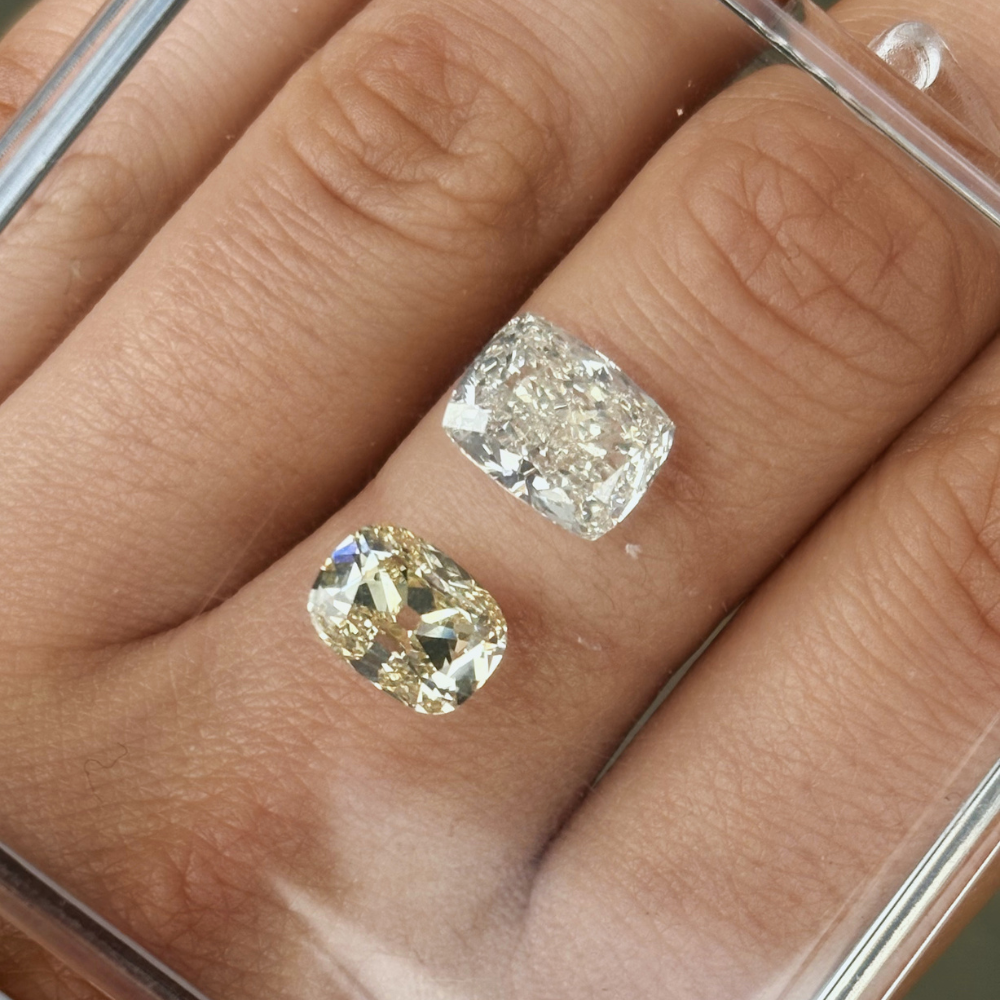
Cut influences how a diamond handles light. Sparkle, brilliance, movement. This is where the magic happens. A beautifully cut stone can outperform a technically “better” diamond every day of the week.
A well-cut diamond returns light back to the eye, creating brightness, fire and scintillation. A poorly cut diamond allows light to escape, resulting in a stone that appears dull, dark or lifeless.
For round brilliant diamonds, the GIA assigns cut grades ranging from Excellent to Poor. Fancy shapes such as ovals, pears and emerald cuts are assessed differently, which is why we prioritise visual performance over grades alone when sourcing.
The most beautiful diamonds aren't always the highest on paper. They're the ones that come alive in the light.
Colour
Clarity measures internal characteristics known as inclusions, and external features called blemishes. Some diamonds are exceptionally clean. Others contain tiny internal fingerprints formed over billions of years. These stamps of individuality hold intrigue and disrupt the perfection of a flawless stone with the personality of a compelling quirk.
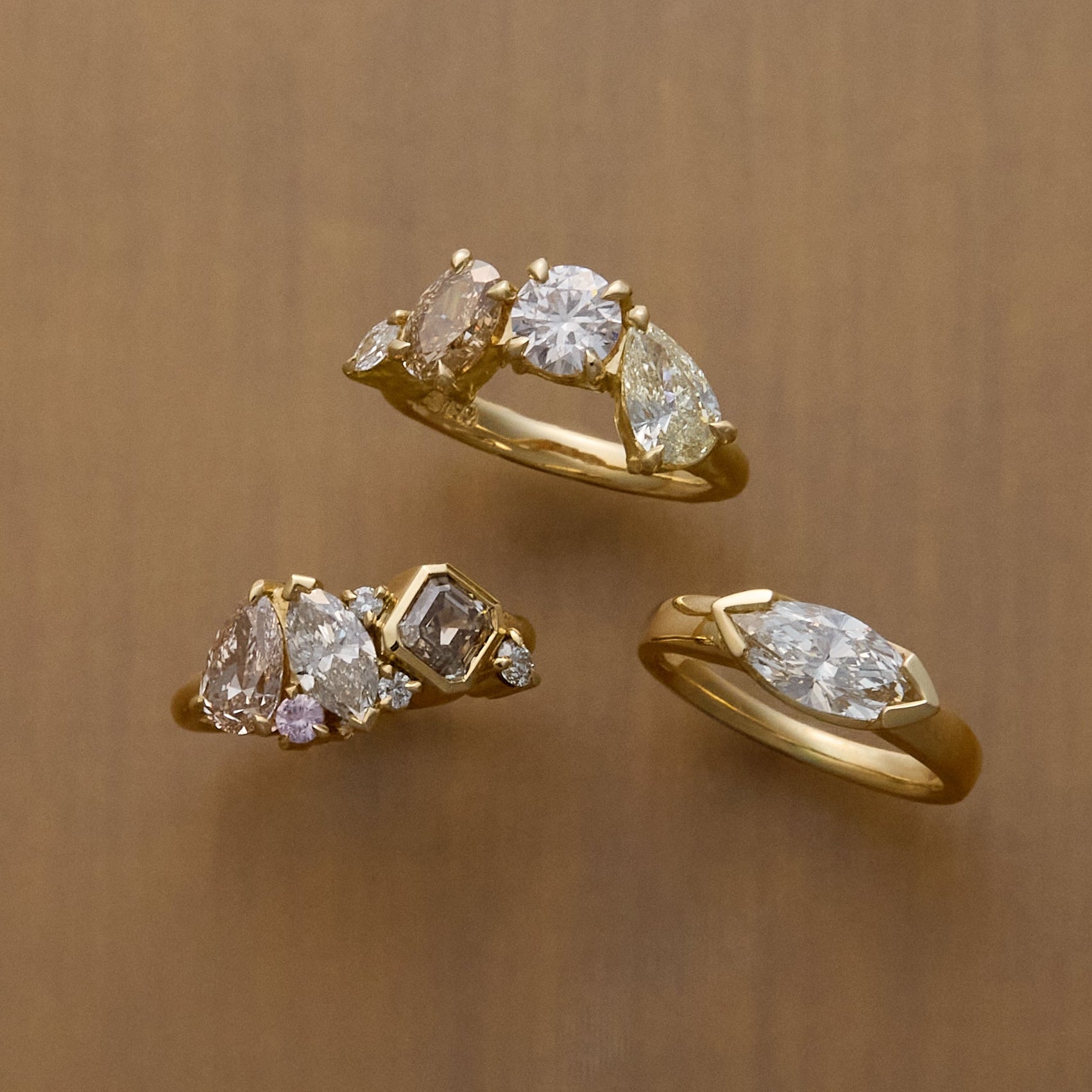
FL - FLAWLESS
No internal inclusions or external blemishes visible under 10x magnification.
IF – Internally Flawless
No inclusions visible under 10x magnification, with only minor surface blemishes present.
VVS1–VVS2 – Very Very Slightly Included
Minute inclusions that are extremely difficult for a trained grader to locate.
VS1–VS2 – Very Slightly Included
Minor inclusions that are difficult to see under magnification and typically invisible without it.
SI1–SI2 – Slightly Included
Noticeable inclusions under magnification. Many stones remain eye-clean despite their grading.
I1–I3 – Included
Inclusions are obvious under magnification and may be visible to the naked eye, potentially affecting transparency or durability.
Clarity
Clarity measures internal characteristics known as inclusions, and external features called blemishes. Some diamonds are exceptionally clean. Others contain tiny internal fingerprints. Inclusions can take many forms, including tiny crystals, feathers, clouds and growth patterns formed as the diamond crystallised deep within the earth. We’re not here to romanticise poor quality stones, but we also don’t believe every inclusion is a crisis. Sometimes individuality lives in the details.
Carat
Carat is a measure of weight. Two diamonds can share the same carat weight and look completely different depending on cut, proportions, shape, and setting design. Bigger is not automatically better. Proportion, balance, and how a stone actually lives within a piece matter far more to us.
While carat weight contributes to a diamond's rarity and value, it is only one part of the story. A poorly cut 1.5ct diamond can appear smaller, darker and less lively than a beautifully cut 1ct stone.
Carat weight tends to attract the most attention, but cut remains the single greatest influence on a diamond's beauty. We would always prioritise a diamond with exceptional life and presence over one chosen for size alone.

What Are Coloured Diamonds?
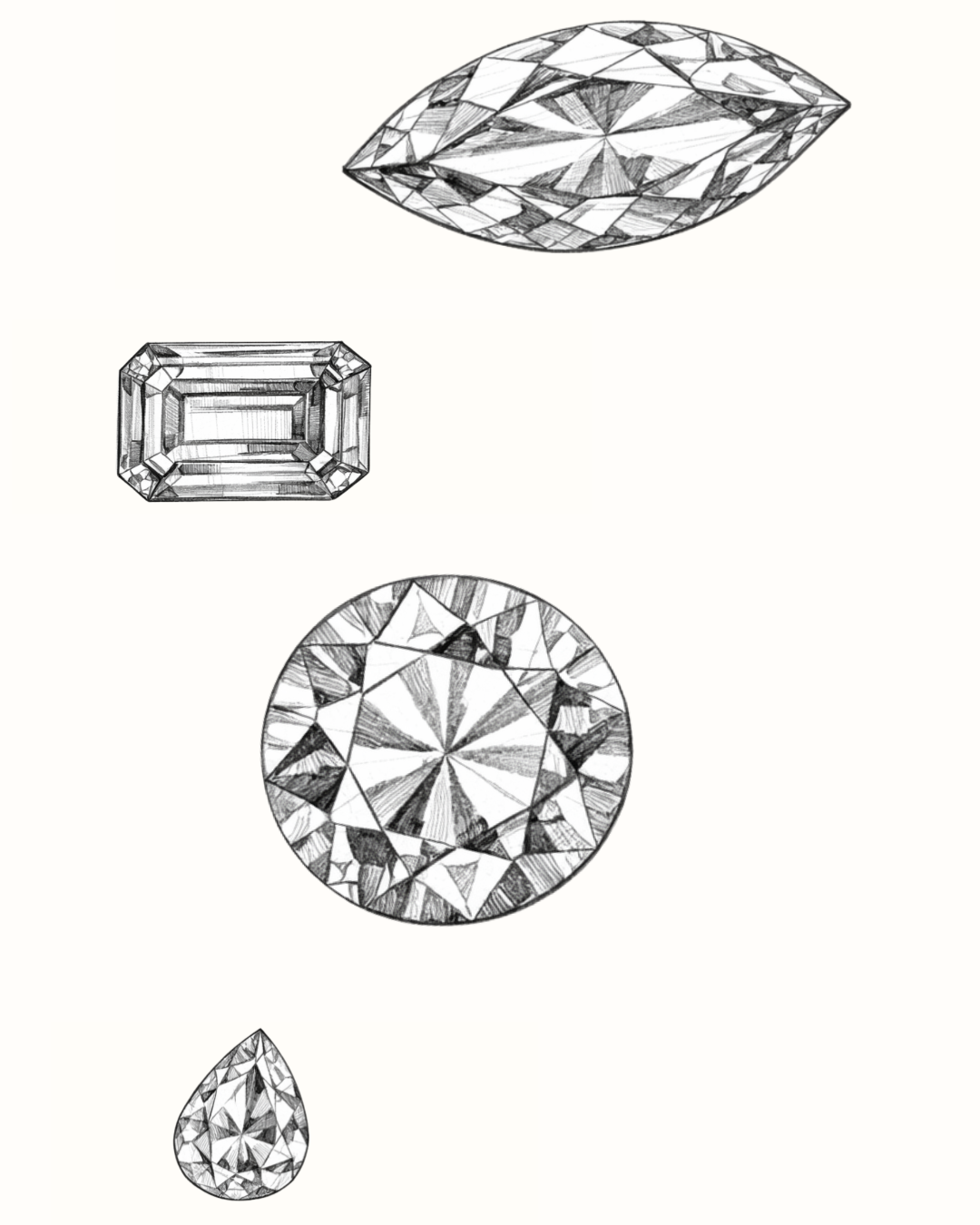
Natural diamonds can occur in almost any colour, the result of trace elements, structural quirks, or subtle shifts in their crystal structure deep within the Earth. Champagne, yellow, pink, blue, grey, salt and pepper. These stones have personality. They behave differently in light, revealing warmth, contrast and mood rather than uniform brilliance.
What Makes a Diamond Ethical?
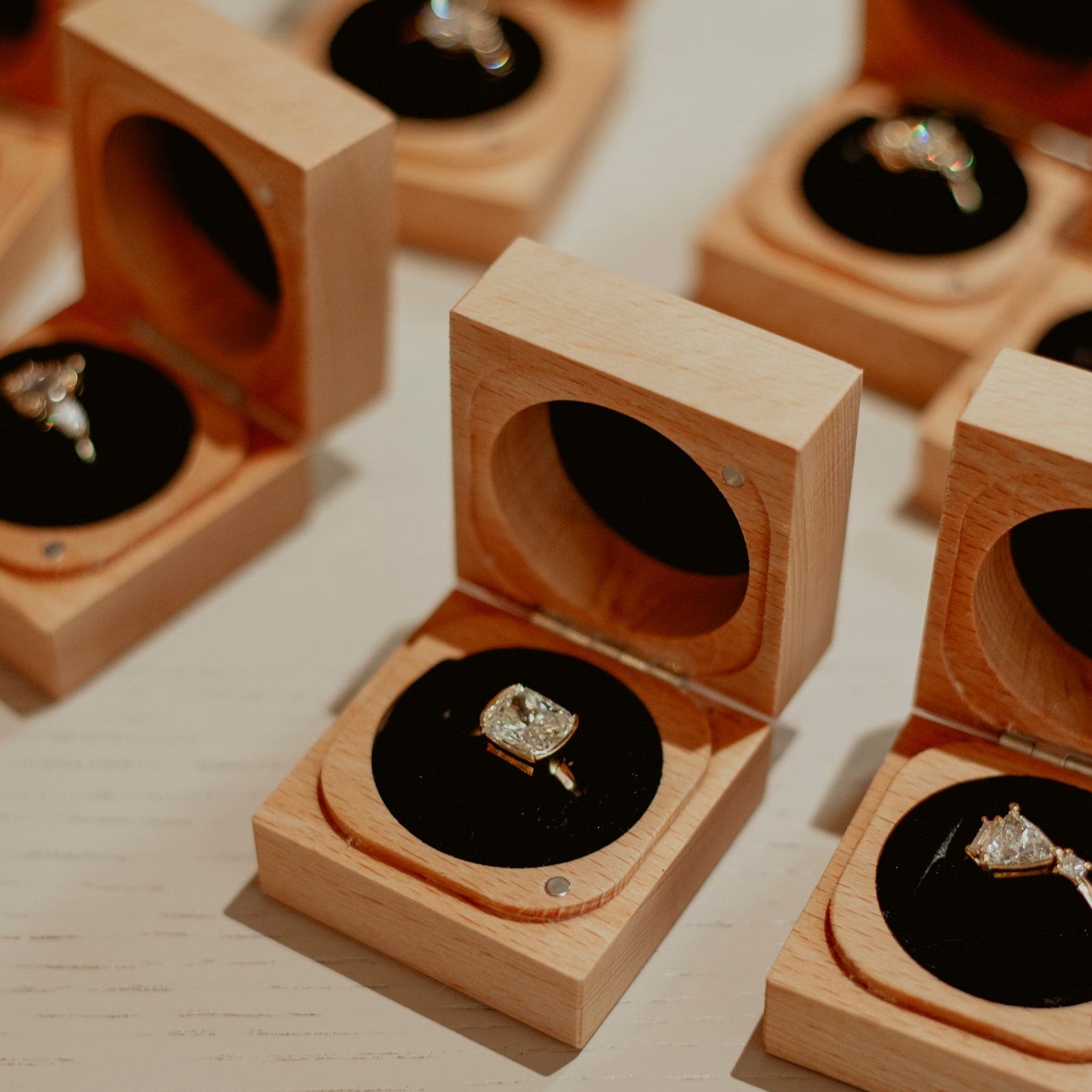
Ethics matter deeply to us. We work exclusively with conflict-free natural diamonds certified under the Kimberley Process, prioritise trusted sourcing partners. We also offer recycled diamonds where possible. Responsibility is not an afterthought. It is part of our design process. At present, there is no governing body overseeing the manufacturing conditions or environmental impact of lab-grown diamonds.
The Kimberly Process
The Kimberley Process is a United Nations-backed certification scheme established in 2003 to prevent the trade of conflict diamonds. Every rough diamond that enters the international supply chain under the scheme is shipped in a tamper-evident container with a Kimberley Process Certificate identifying its country of origin and confirming it has not funded armed conflict.
Origins
Diamonds are found primarily in Central and Southern Africa, as well as Canada, Russia, Brazil, India and Australia. Australia’s now-closed Argyle mine was once the world’s primary source of champagne and pink diamonds. Its closure has only increased the rarity and desirability of these warm, characterful stones.
DIAMONDS
Frequently Asked Questions
A champagne diamond is a natural diamond with warm, earthy tones, ranging from soft blush to deep cognac. Its colour comes from traces of nitrogen in the stone, creating a palette that feels both understated and bold.
At Black Finch, we love champagne diamonds for their individuality. No two are ever quite the same, and that’s exactly the point. They’re perfect for those drawn to organic elegance, something timeless, but never predictable.
Champagne diamonds are typically mined in Australia, most famously from the Argyle mine in Western Australia, which was renowned for producing a spectrum of richly coloured diamonds before its closure in 2020. While Argyle stones are now increasingly rare, their legacy lives on in the warm, radiant tones we associate with these uniquely Australian gems. At Black Finch, we carefully source our champagne diamonds from ethical suppliers, ensuring each stone not only looks beautiful, but carries a story you can feel good about wearing.
A salt and pepper diamond is nature’s rule-breaker, imperfectly perfect, filled with flecks of black and white inclusions that make each stone one-of-a-kind. Unlike traditional diamonds prized for clarity, salt and pepper diamonds embrace their natural quirks, telling a raw, organic story through their unique constellation of markings. At Black Finch, we love these diamonds for their individuality and edge, they're for those who want something a little less ordinary, and a little more them.
Salt and pepper diamonds are mined in many of the same regions as traditional diamonds, including India, Russia, and Africa. Because they don’t require the same level of clarity grading, these stones often bypass the intensive sorting processes used for more conventional diamonds, making them a more sustainable choice with less waste. At Black Finch, we source our salt and pepper diamonds ethically, working with trusted suppliers who share our commitment to transparency and responsible practices. Each stone is hand-selected for its beauty, character, and the story it brings to your piece.
The 4 Cs stand for cut, colour, clarity and carat: the four characteristics used to grade a diamond's quality and value.
Cut measures how a diamond handles light, returning brilliance, fire and scintillation when the proportions are right. Colour grades how colourless a white diamond appears, from D (ultra-colourless) through to Z (warm and tinted). Clarity describes a diamond's internal inclusions and surface blemishes, examined under 10x magnification. Carat is a measure of weight, with one carat equal to 200 milligrams.
The 4 Cs were developed by the Gemological Institute of America (GIA) and remain the global benchmark for diamond grading. At Black Finch, we use the framework as a tool, not a personality trait.
Cut is the most important of the 4 Cs, as it has the single greatest influence on a diamond's beauty.
A well-cut diamond returns light back to the eye, creating brightness, fire and scintillation. A poorly cut stone allows light to escape, appearing dull, dark or lifeless regardless of how well it scores on the other Cs. Cut is also the only C that comes from human skill rather than nature, which is why two diamonds of identical colour, clarity and carat can look entirely different in person.
Carat weight tends to attract the most attention, but at Black Finch we'd always prioritise a diamond with exceptional life and presence over one chosen for size alone.
Jewellers assess the 4 Cs using independent laboratory grading, with the Gemological Institute of America (GIA) considered the global standard.
Cut is graded on a scale of Excellent to Poor for round brilliant diamonds, based on proportions, symmetry and polish. Colour is graded under controlled lighting against master stones, from D to Z. Clarity is examined under 10x magnification to plot the size, type and position of inclusions and blemishes. Carat is measured on a precision scale, with one carat equal to 200 milligrams.
Fancy shapes such as ovals, pears and emerald cuts are assessed differently to round brilliants, which is why at Black Finch we use the GIA report as a starting point and prioritise visual performance over grades alone when sourcing.
shop
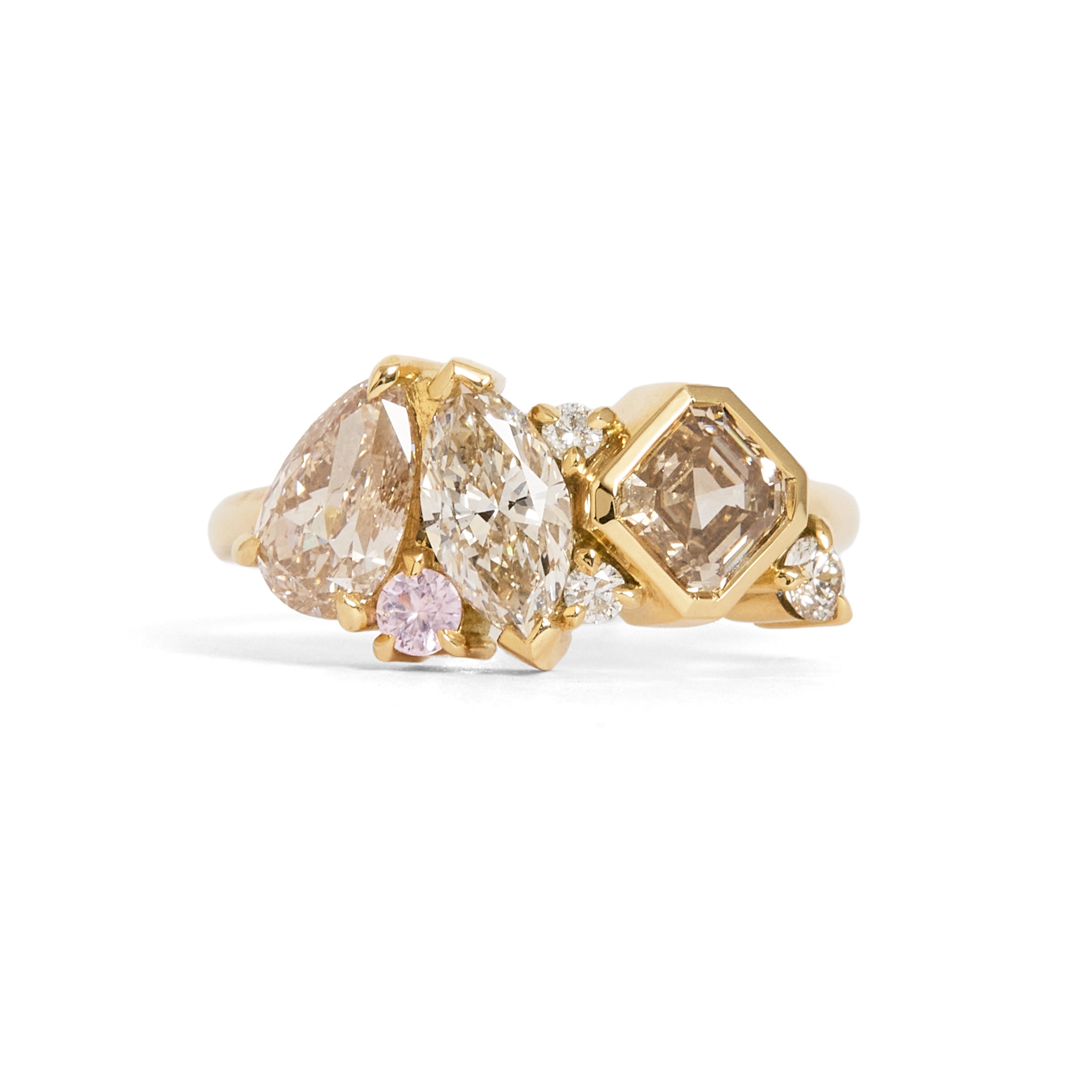
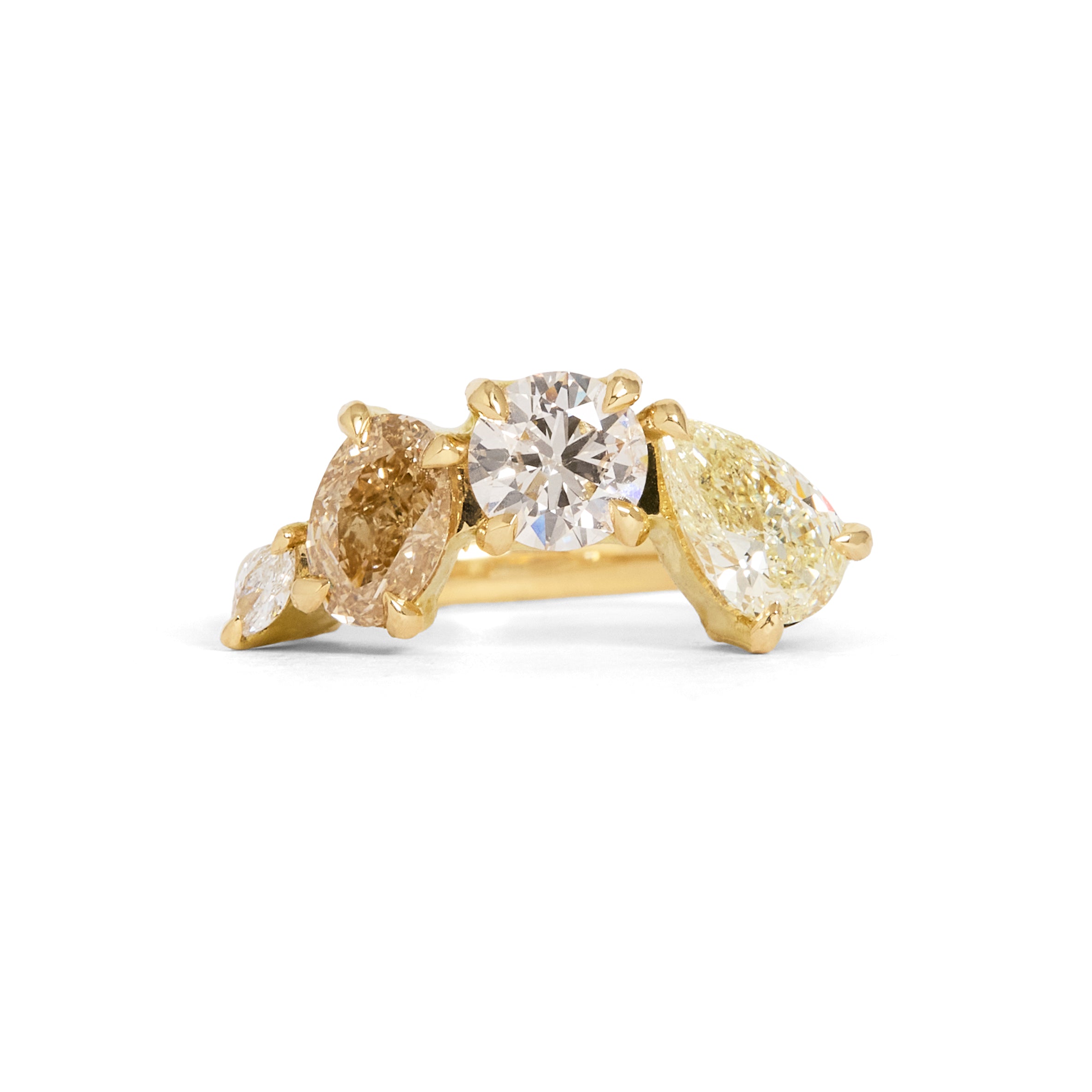
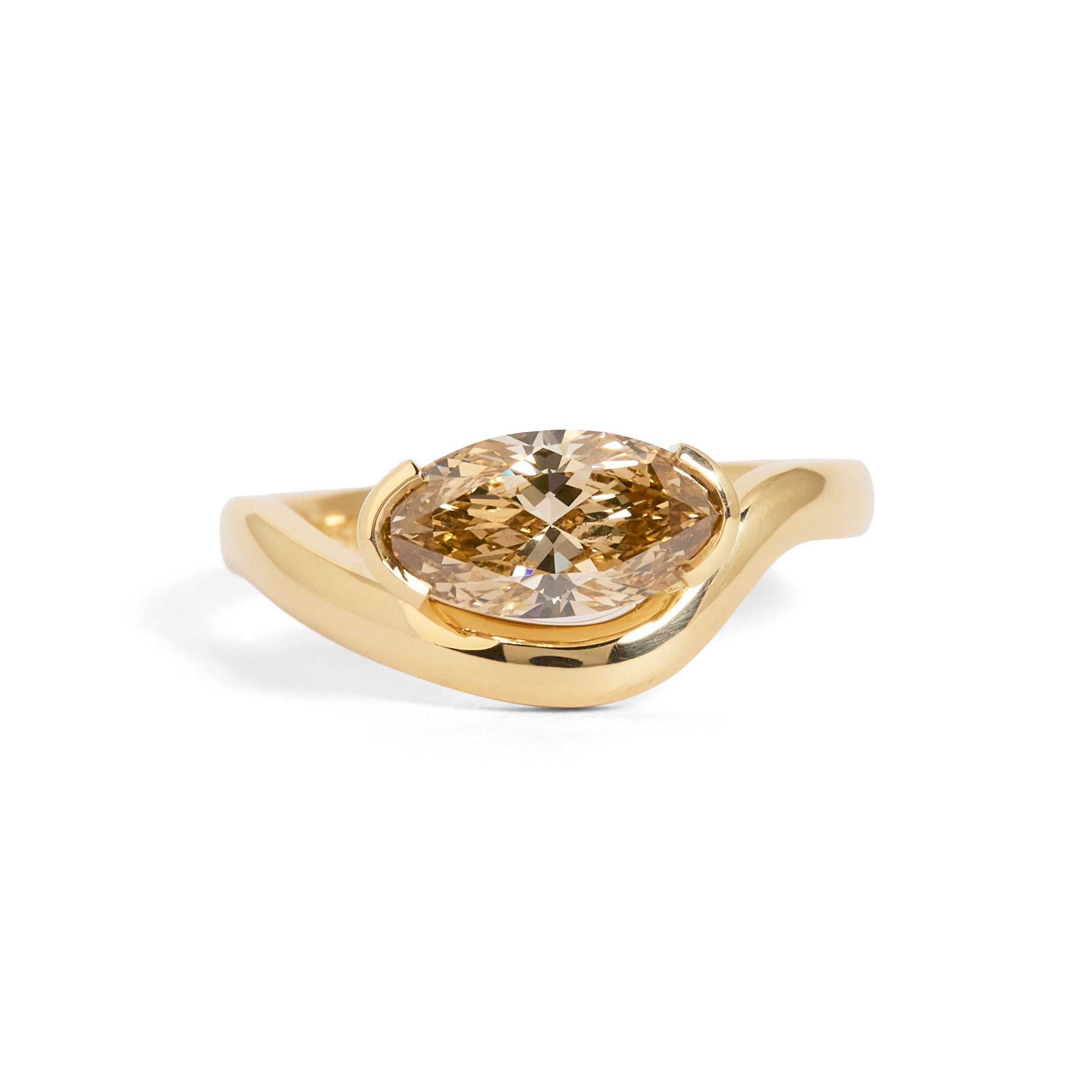
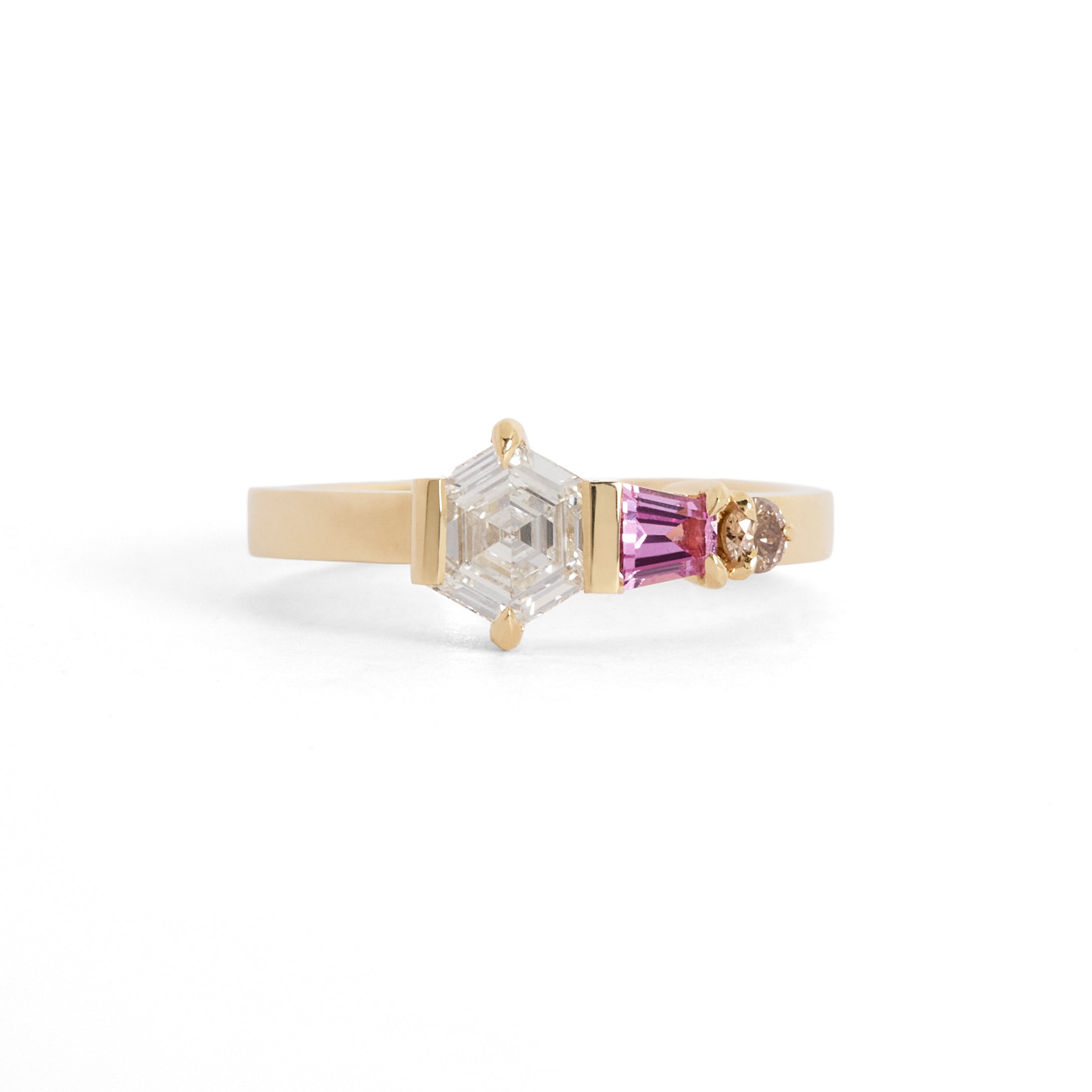
Diamond Engagement Rings
shop
Diamond Fine Jewellery