


Jewellery Care Guide
Fine jewellery is remarkably durable, but no piece is indestructible. Every Black Finch jewel is crafted from solid 9kt, 14kt or 18kt gold or platinum and designed to accompany you through daily life. Like anything worn and loved, it will naturally show signs of wear over time. Regular care and maintenance will help preserve its beauty and ensure it can be enjoyed for generations.
Everyday Wear & Care
We recommend removing your jewellery when:
- Exercising or playing sport
- Gardening or manual work
- Swimming in pools, spas or the ocean
- Using household cleaning products
- Applying perfumes, lotions or hairspray
Diamonds and sapphires are exceptionally durable gemstones and well suited to everyday wear. Softer gemstones, including opals, emeralds and tourmalines, require additional care and should be protected from knocks and sudden impact as they are more prone to chipping.
Even precious metals can dent, scratch or deform under sufficient force, so thoughtful wear is the best form of preventative care. Additionally, repeated exposure to abrasive chemicals may gradually erode settings and affect a band's luster.
Cleaning At Home
Over time, everyday oils, soap residue, sunscreen and dust can accumulate beneath gemstone settings, reducing the way light passes through the stone and causing it to appear dull.
A weekly gentle clean is often all that is required to restore your jewellery's sparkle.
For diamonds, sapphires and other durable gemstones:
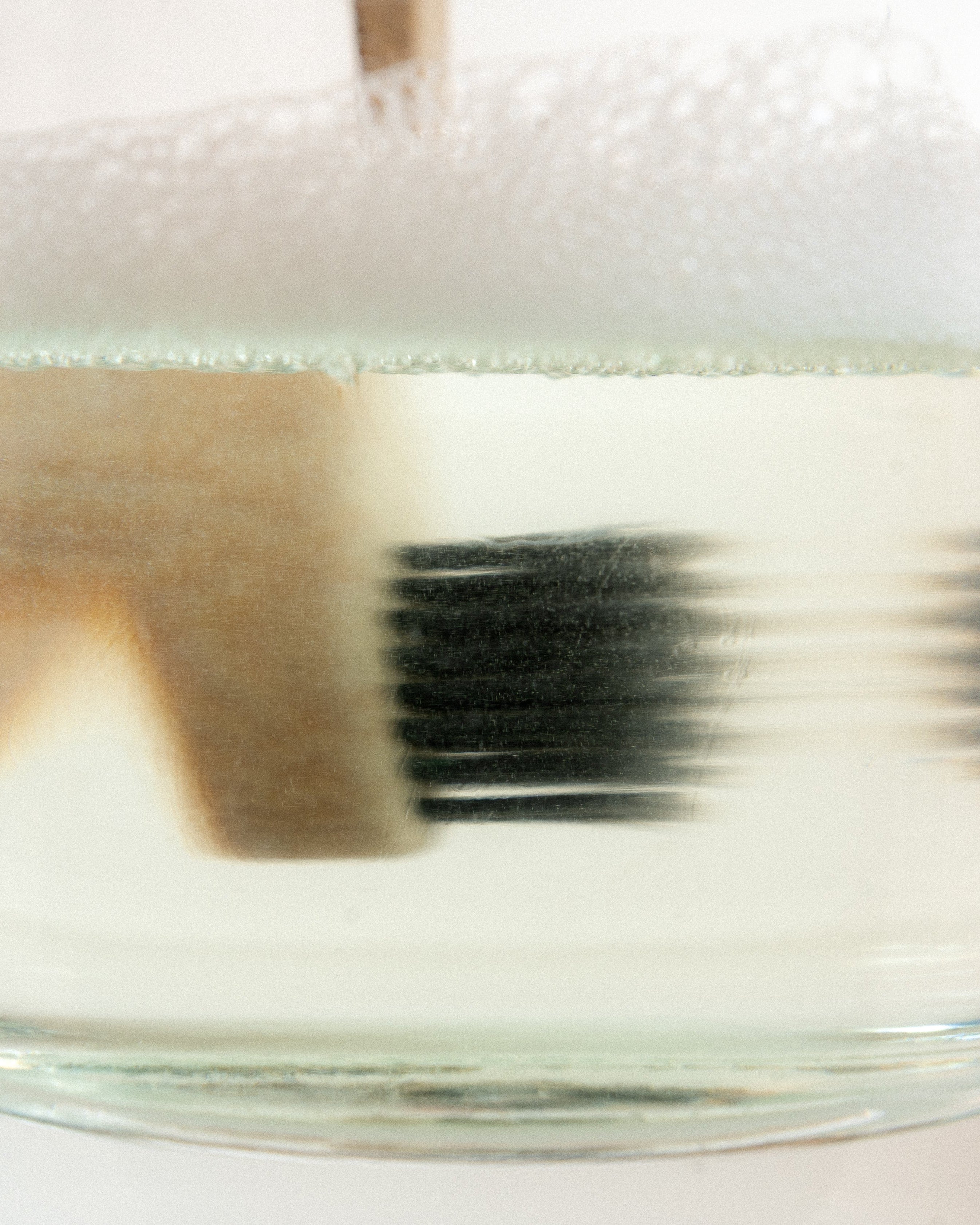
- Soak your jewellery in warm water with a small amount of mild dish soap.
- Gently clean around the settings with a soft toothbrush.
- Rinse thoroughly with water.
- Dry with a soft, lint-free cloth.
Avoid abrasive cleaners, harsh chemicals and ultrasonic cleaners unless specifically recommended by a jeweller.
Chains
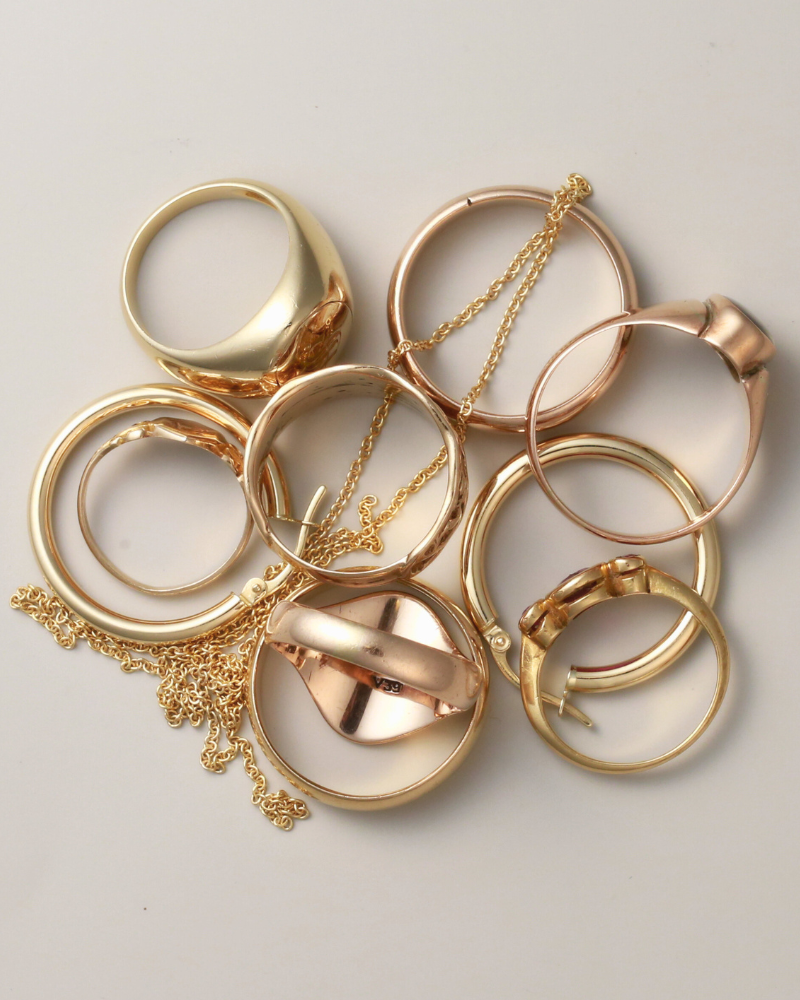
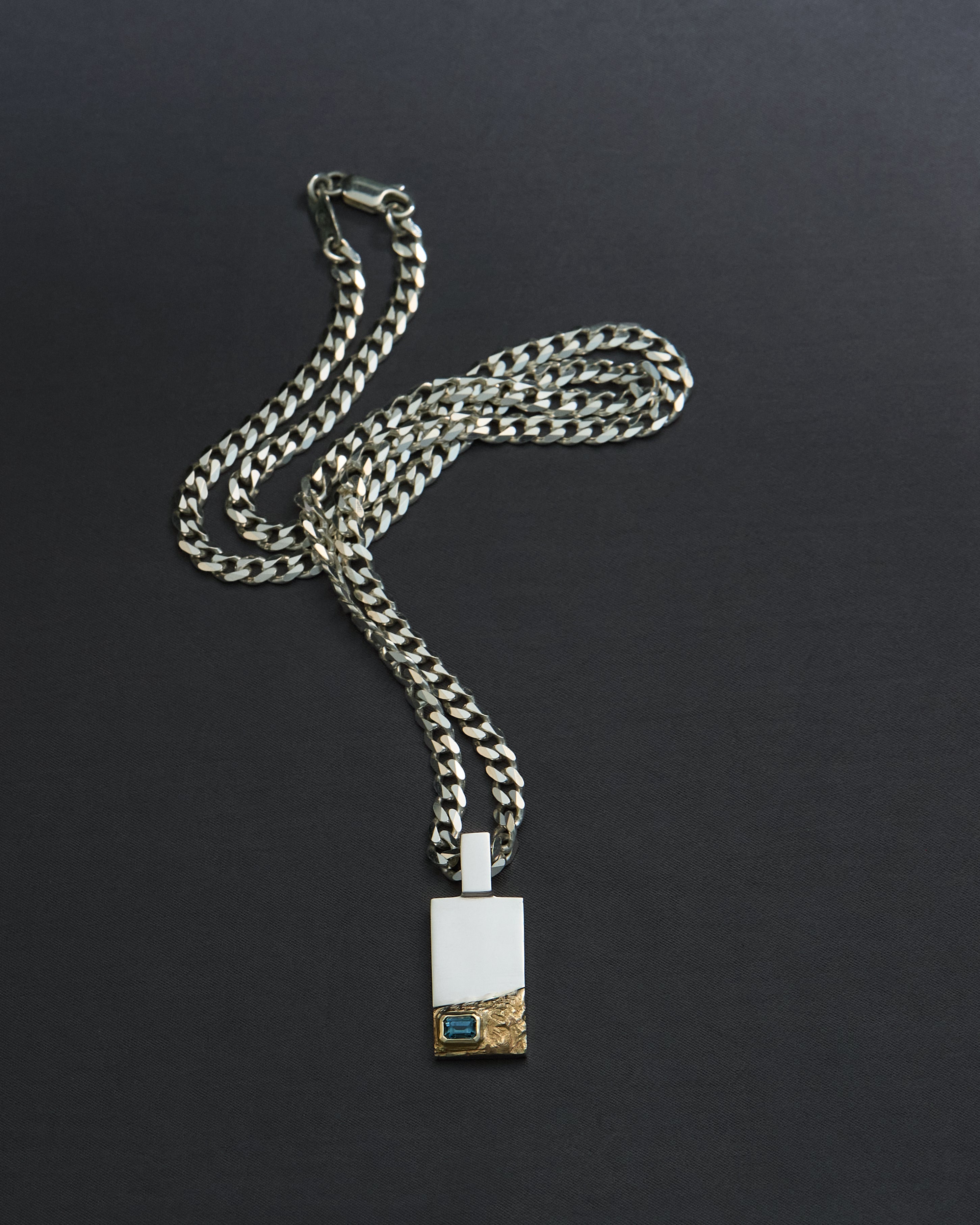
When unworn, store chains individually in a soft pouch or lined jewellery box to prevent tangling, knotting and scratching.
Fine chains are particularly delicate and caution should be taken in scenarios where they could get caught or pulled, as they risk being stretched.
If a clasp appears loose or damaged, avoid further wear until you can bring it to us for assessment.
Professional Maintenance
Like all finely crafted objects, jewellery benefits from periodic maintenance.
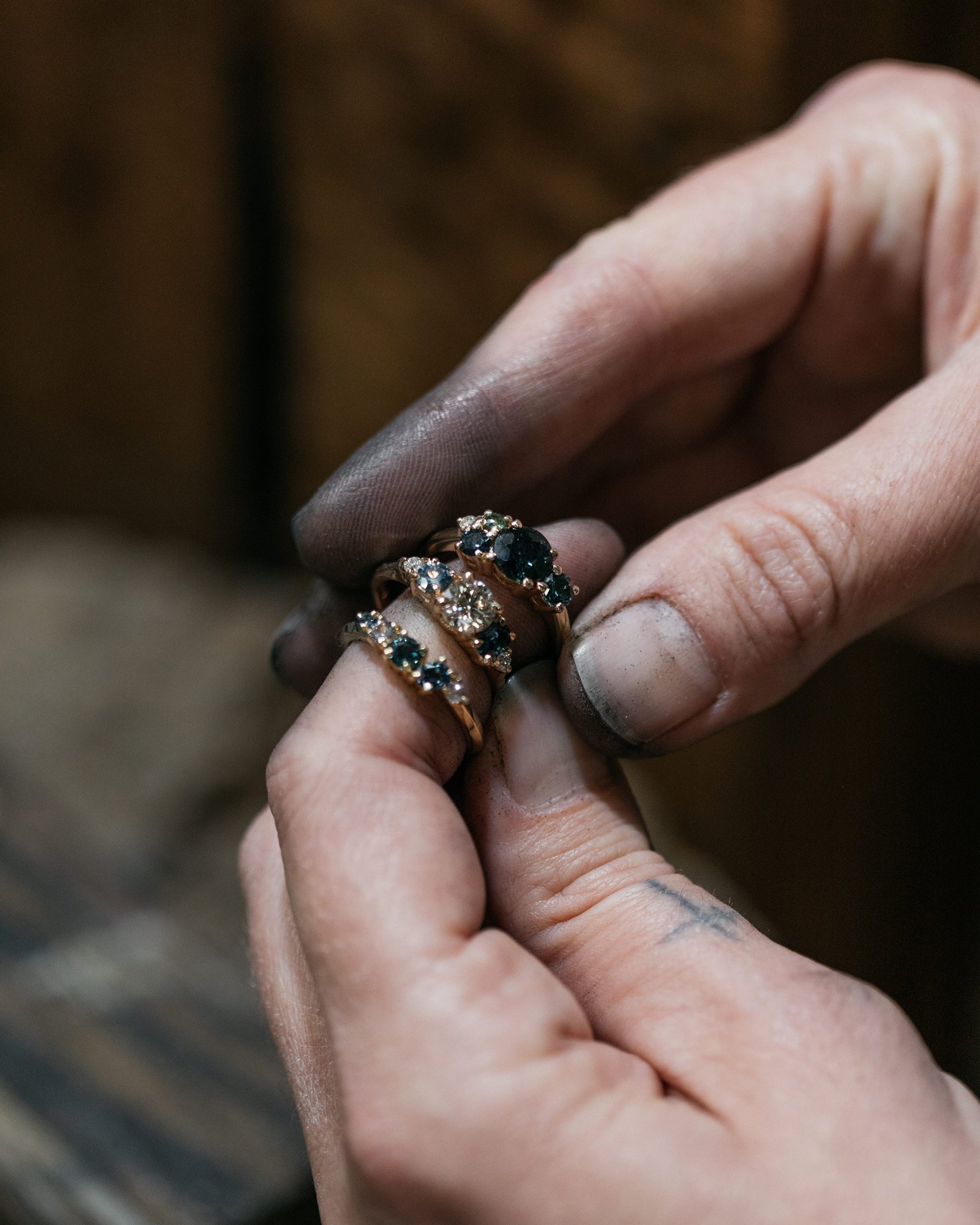
We encourage clients to bring their jewellery in for a complimentary professional clean and re-surface service every 12 months. Our jewellers will assess gemstone settings, identify any maintenance requirements and ensure your piece remains secure and ready to wear for years to come.
CARE TIPS
Frequently Asked Questions
Cleaning
Not always. Opals, emeralds, pearls and certain treated gemstones can be damaged by ultrasonic cleaning. If you are unsure, we recommend contacting us before using one.
We recommend cleaning your engagement ring at home every one to two weeks, with a deeper professional clean once a year.
A weekly clean in warm soapy water with a soft toothbrush is enough to remove the everyday build-up of soap, hand cream and oil that dulls the stone's brilliance. Adding a touch of regular dishwashing liquid to warm water is all you need! The annual professional service goes further, checking the integrity of the setting, tightening any loose claws and polishing the band to return it to its original finish.
Most clients find a simple home cleaning ritual easy to keep. Engagement rings worn daily benefit most from it.
Wear and Care
Sterling silver requires more regular care than gold or platinum due to its naturally reactive properties. Over time, exposure to moisture, oxygen and everyday environmental factors will cause the surface of the metal to develop tarnish.
To preserve its appearance, store sterling silver separately in a dry environment and avoid prolonged contact with perfumes, lotions and household chemicals. Tarnish can be easily removed with a quality silver polishing cloth or an appropriate silver cleaning solution.
With occasional maintenance, sterling silver will retain its beauty for many years to come.
Caring for your engagement ring comes down to consistency rather than complexity. Because it's worn every day, an engagement ring sees more contact with soap, sunscreen, hand cream and daily wear than any other piece you own.
We recommend a gentle clean in warm soapy water with a soft toothbrush every one to two weeks, removing it before exercising, swimming, gardening, sleeping and using harsh chemicals, and having it professionally checked once a year to inspect the setting and ensure the stone remains secure.
At Black Finch, every engagement ring is built for daily wear and a lifetime of it. Looking after it well makes that easier.
We recommend removing jewellery before swimming. Beyond the risk of rings slipping off unnoticed, prolonged exposure to chlorine or salt water can contribute to degradation of alloys, finishes, and some gemstones over time.
It's best to remove your jewellery before showering or bathing where possible. Shampoo, conditioner, soap and shower gels leave a residue on metal and around gemstone settings that gradually dulls the appearance of the piece.
Solid gold and platinum are not damaged by occasional contact with water, but the film left by haircare and skincare products builds up faster than weekly cleaning can remove. Chains in particular can develop a stubborn coating over time.
We recommend setting your jewellery beside the shower as a small daily ritual, especially for engagement rings and fine chains.
We recommend removing your jewellery before sleeping, particularly rings, fine chains and earrings.
Movement during sleep is one of the most common causes of bent claws, stretched chains and lost earring backs. Friction against bedding can also dull the surface of softer metals over time, and a snagged claw can wake you to a loose stone.
At Black Finch, we suggest a small dish or pouch beside the bed as the easiest way to make this routine. Pieces taken off each night last noticeably longer between professional services.
When not being worn, jewellery should be stored individually in a soft pouch or lined jewellery box. Storing pieces separately helps prevent chains from tangling and gemstones or precious metals from scratching against one another.
Absolutely. Mixing metals is a matter of personal preference and can create a layered, collected look.
When rings are worn directly against one another every day, however, differences in metal alloys can contribute to increased wear over time. For example, a 9kt gold ring worn tightly alongside an 18kt gold ring may gradually cause abrasion where the two rings rub together.
Yes, sapphires are suitable for everyday wear. They sit at 9 on the Mohs hardness scale, second only to diamond, which makes them one of the most durable gemstones available for engagement rings and fine jewellery.
This includes Australian sapphires, parti sapphires and champagne sapphires, all of which share the same hardness as their colourless and blue counterparts. Day-to-day wear, soap, water and light impact are not a concern.
Sapphires are one of our signature stones precisely because they pair the visual depth of a coloured gemstone with the resilience to be worn for a lifetime.
Maintenance
We strongly recommend insuring valuable jewellery. Insurance can provide protection against loss, theft and accidental damage. Black Finch pieces over $5,500 are provided with a complimentary third-party jewellery valuation. If you would like a valuation, or need to update your valuation, we are more than happy to assist.
We recommend having your jewellery professionally inspected every 12 months, particularly rings worn daily. Regular inspections allow worn claws, loose settings and general wear to be identified before they develop into more significant issues.
If you notice movement, rattling or a change in the way a stone sits within its setting, discontinue wear immediately and get in contact with us. Continuing to wear a piece with a loose stone can increase the risk of stone loss or further damage to the setting.
support