



The Colour Alchemist
The Sapphire Guide
At Black Finch, sapphires are our pièce de résistance. No two sapphires are ever the same. That’s exactly the point. Durable, expressive, and endlessly nuanced, sapphires are our hero stone. Made for people who value individuality over convention, and for everyday heirlooms designed to be worn, loved, and thoroughly lived in.

Mineral
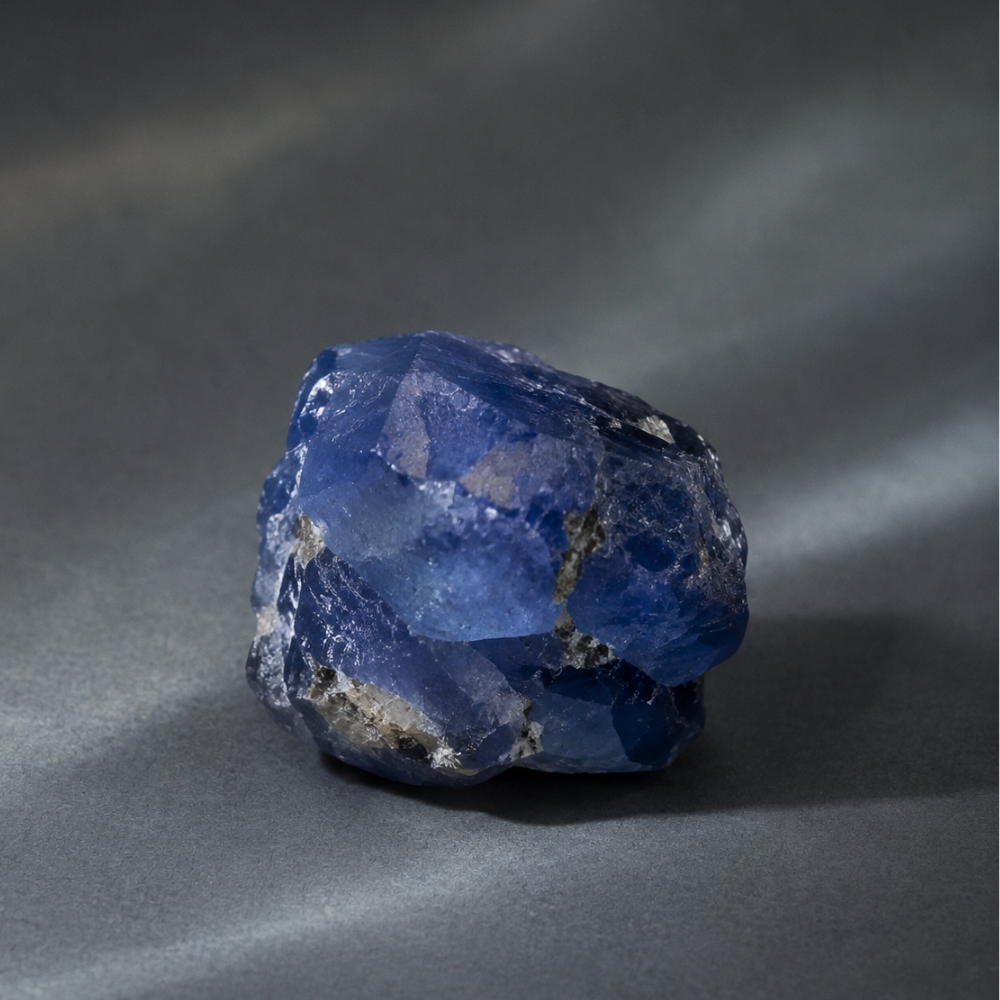
Sapphires are a variety of the mineral corundum, the same family as rubies. Same chemistry, wildly different personalities. Their colour comes from trace elements present during formation, with tiny shifts in composition creating dramatically different results. Iron and titanium can create blue. Chromium can create pink. Other combinations can produce yellow, green, teal, violet and parti-coloured stones.
They form deep within the Earth under intense heat and pressure, sometimes growing into impressively large crystals over geological time.
Origins
Sapphires are found across the globe, but the origins we work with most closely are Australia, Sri Lanka (Ceylon), Madagascar and Tanzania and sometimes Montana (USA). Each region produces stones with distinct characteristics, including differences in colour, tone and personality that we take seriously.
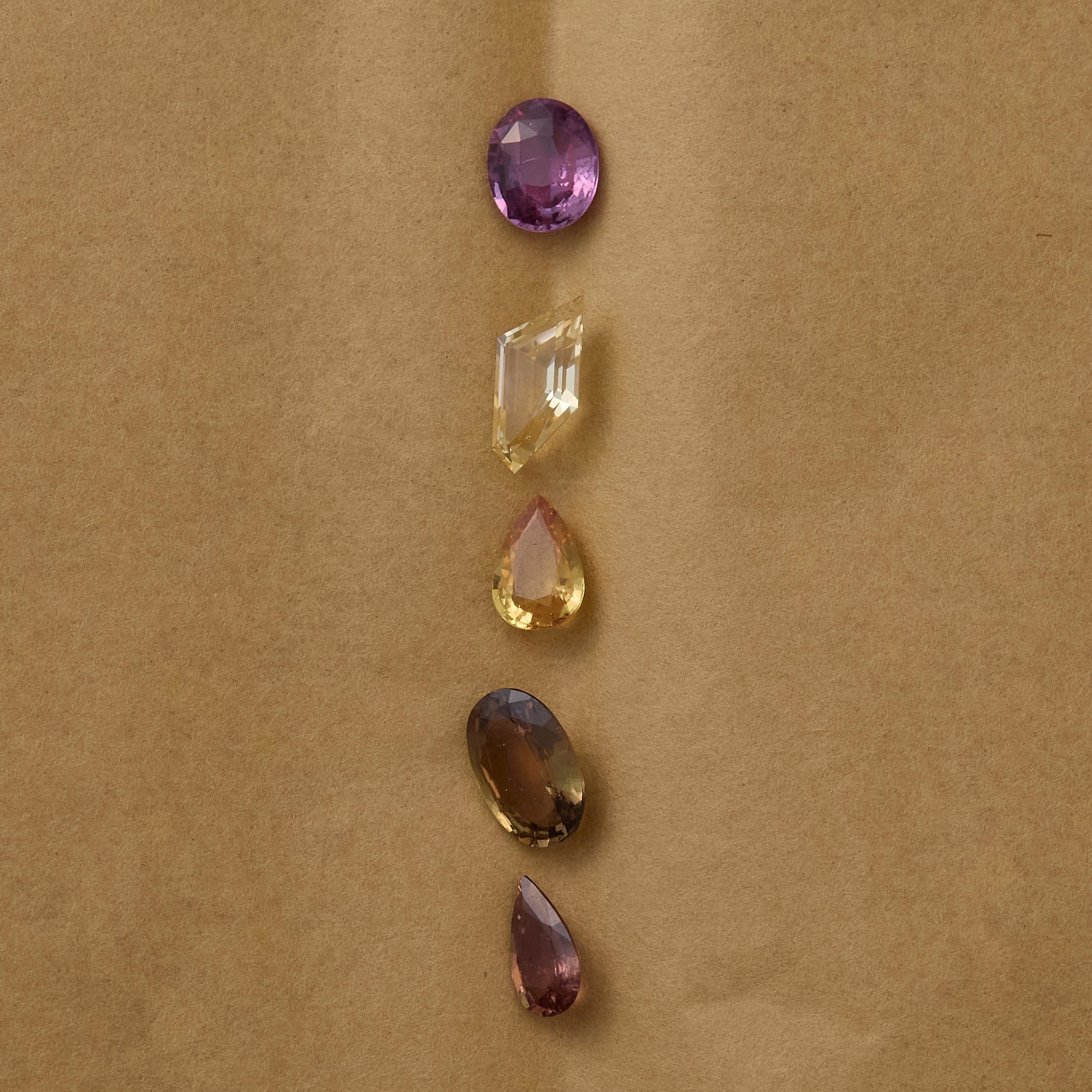
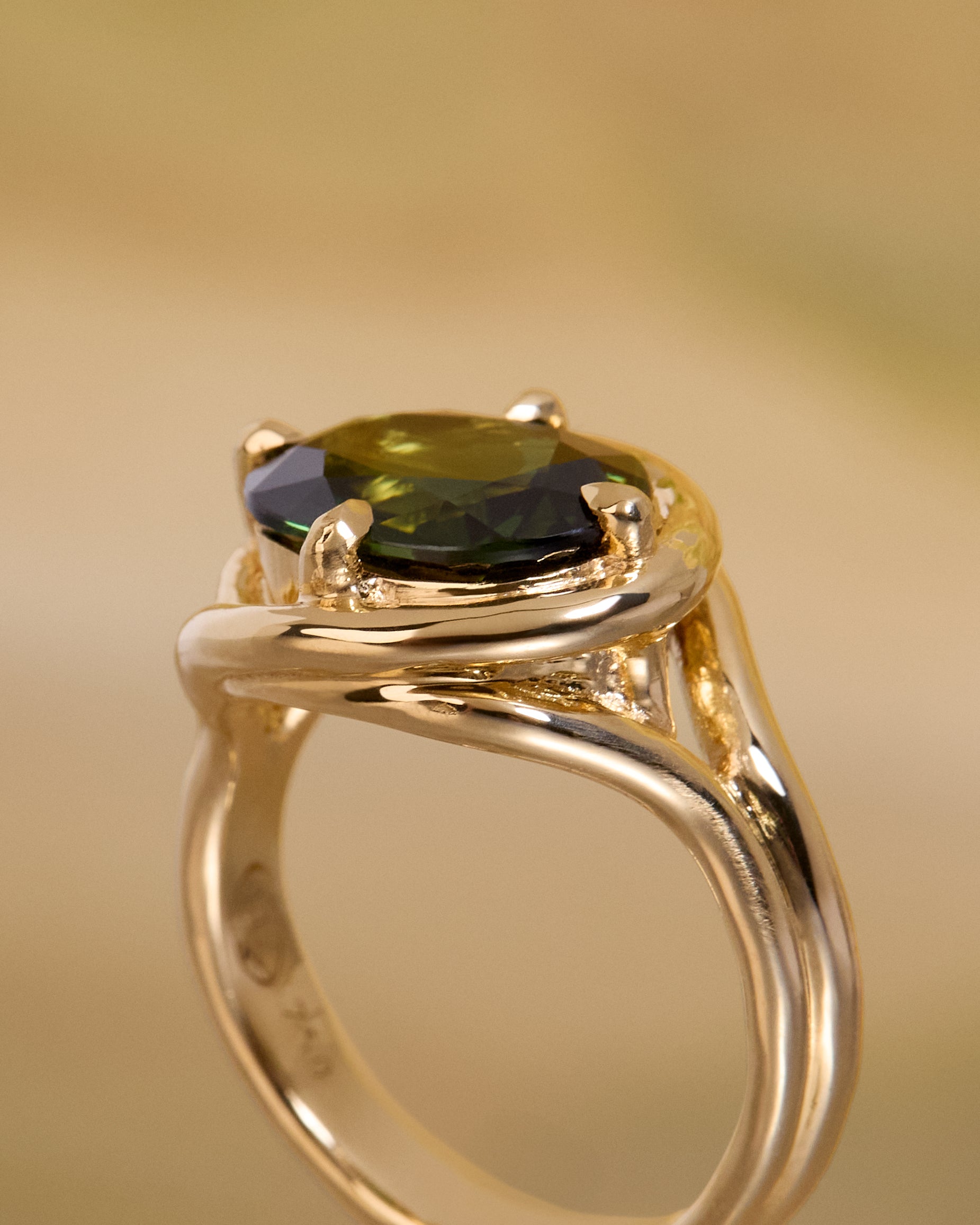
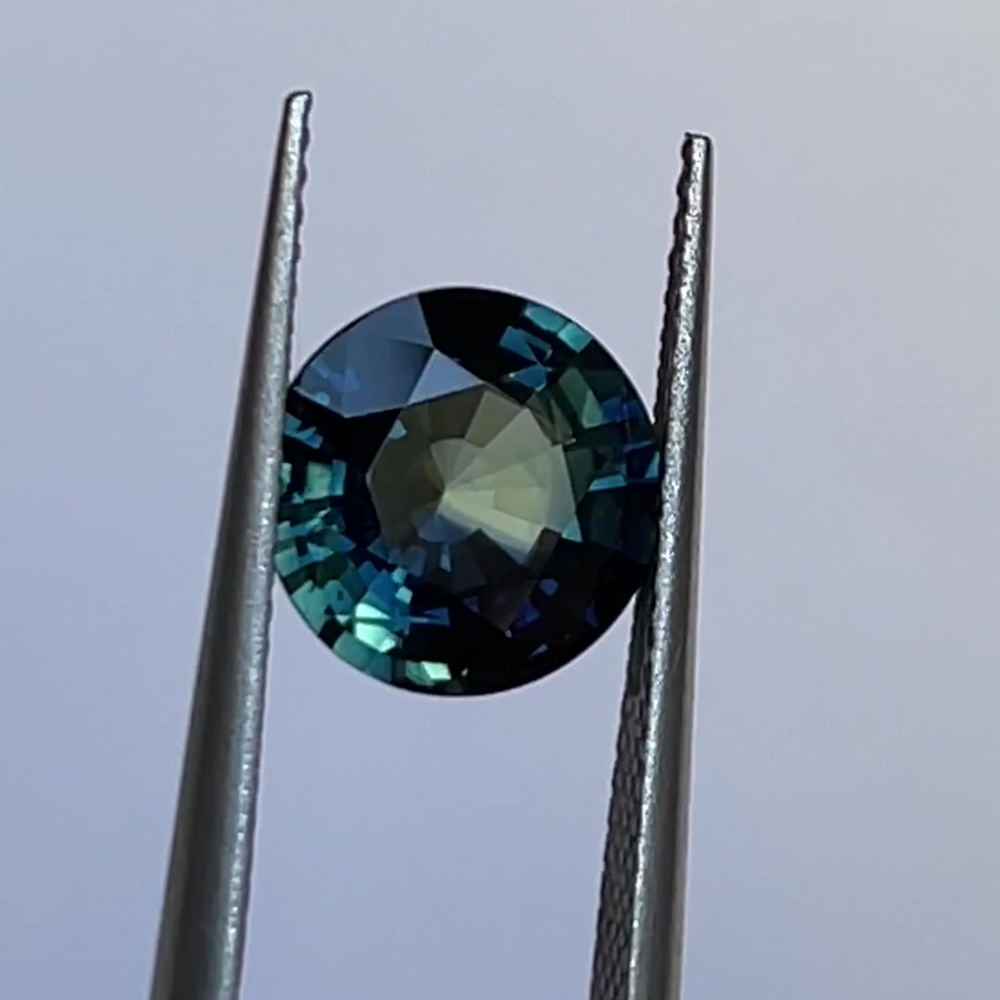
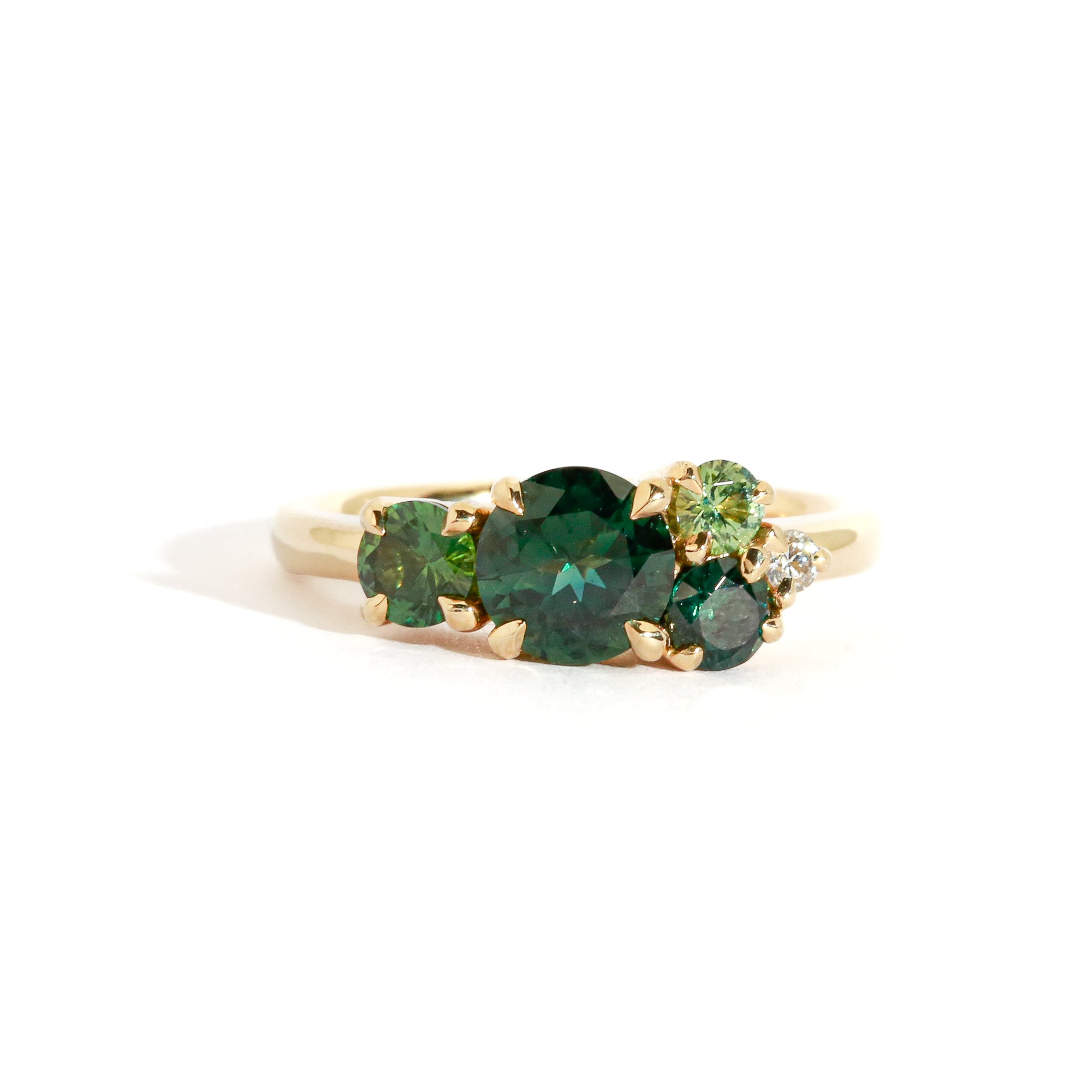
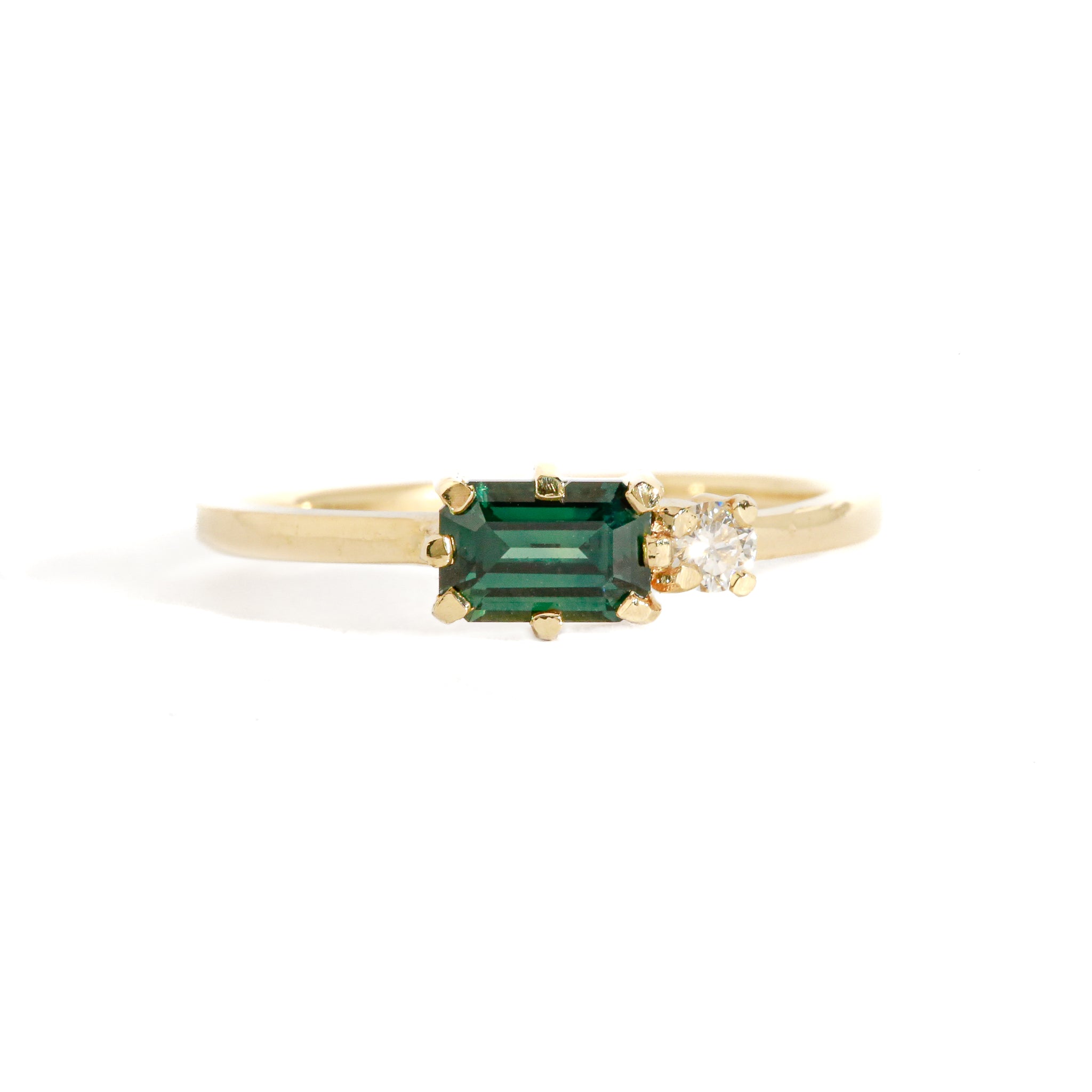
Australian sapphires are renowned for their remarkable depth of colour. Rich teals, deep forest greens, ocean blues and parti-coloured sapphires are all signatures of Australian deposits, making them some of the most distinctive gemstones in the world.
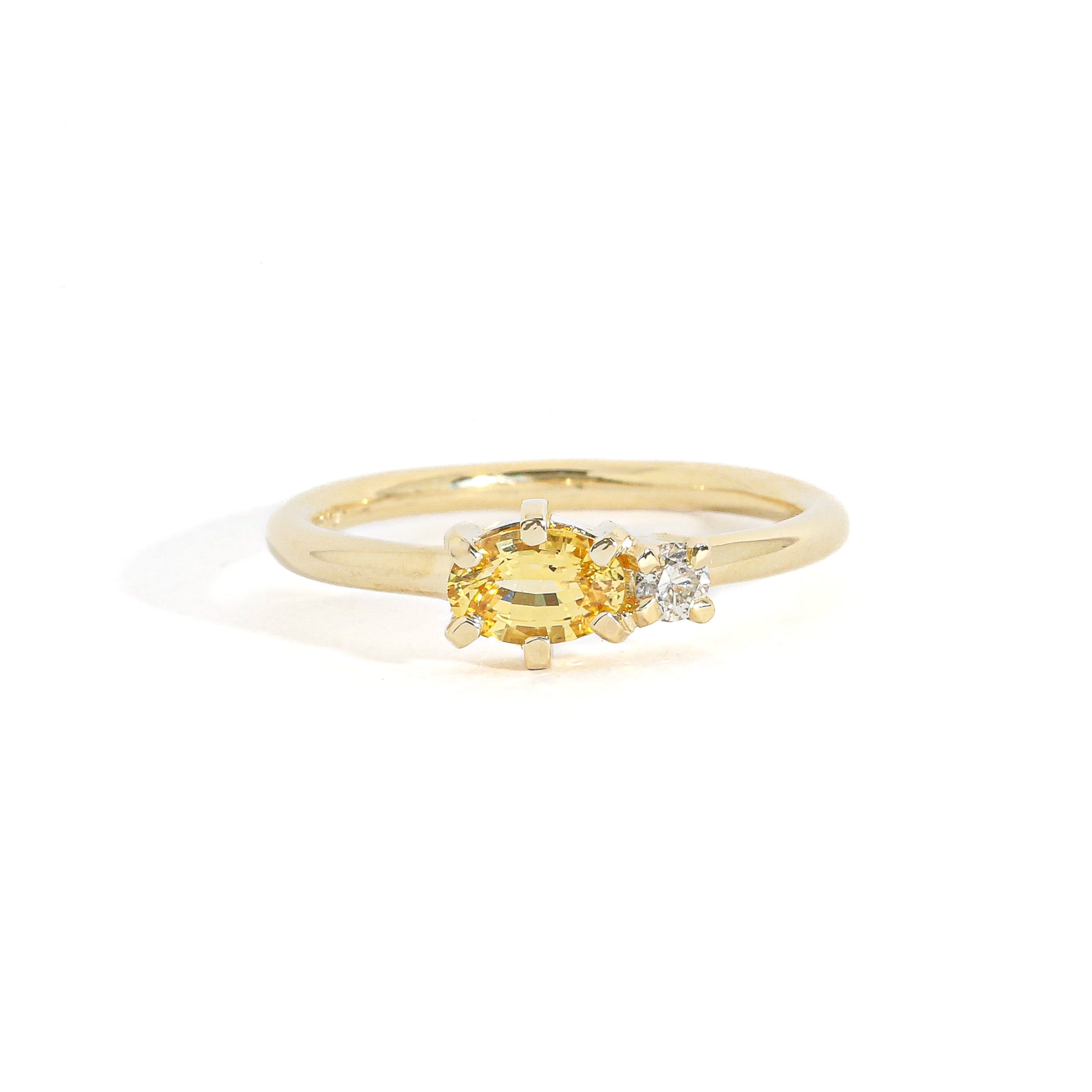
Ceylon sapphires are typically brighter in tone, producing luminous blues alongside soft pastel hues including peach, lavender, yellow and blush pink. Their exceptional clarity and vibrant colour make them highly sought after.
Madagascar produces an extraordinary range of sapphire colours, from vivid blues and teals through to pinks, yellows and parti stones. Relatively recent discoveries have established the region as one of the world's most significant sapphire sources, offering exceptional variety and quality.
Montana sapphires are admired for their subtle beauty and understated palette. They are often found in soft blue-greens, silvery teals and delicate steely blues, making them an appealing choice for those drawn to quieter, more muted colour.
Grading
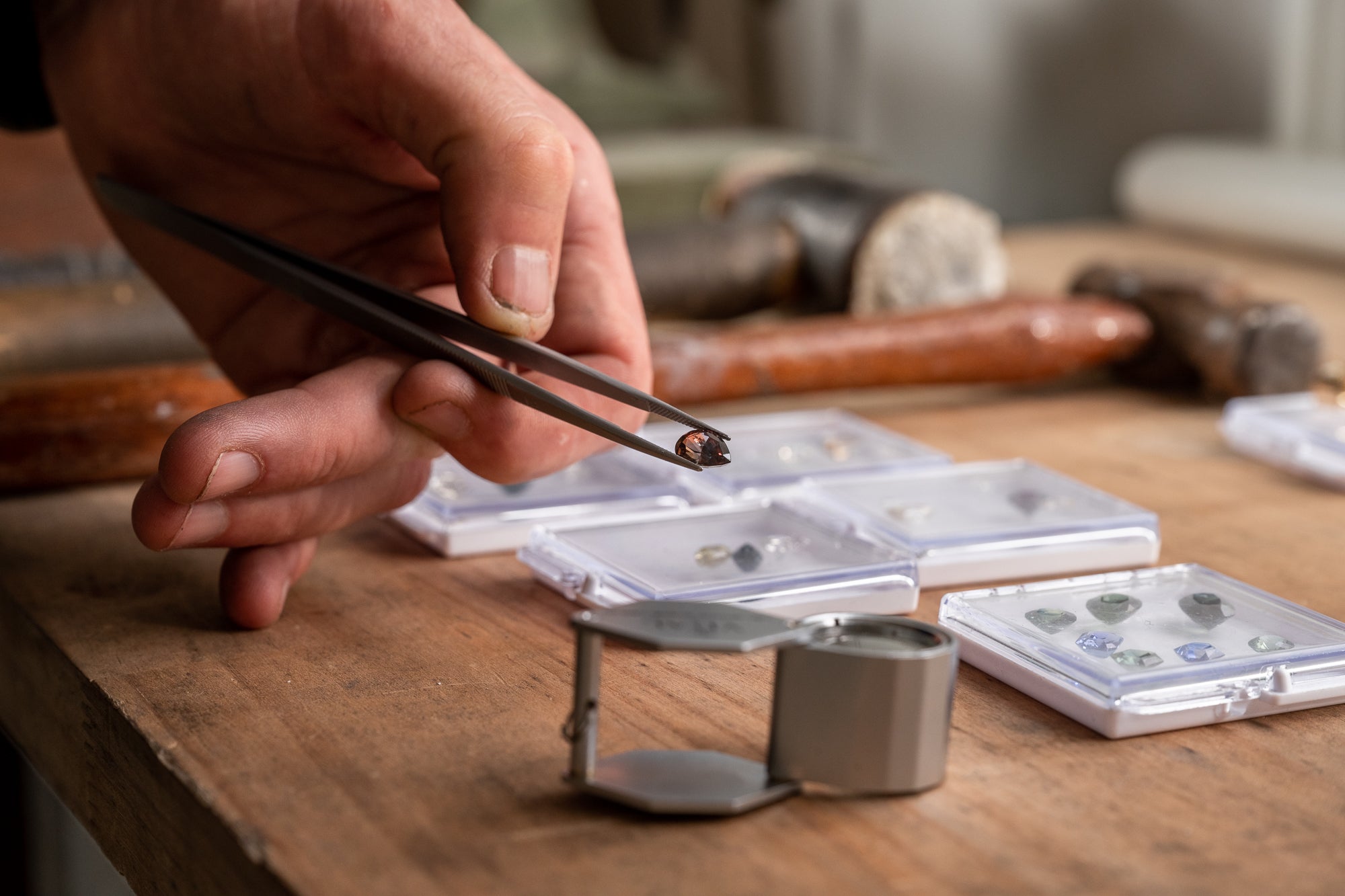
Unlike diamonds, there is no universal grading system for sapphires. Every stone is assessed individually, with colour remaining the most important characteristic.
When selecting sapphires, we consider the balance of colour, cut, clarity and proportion as a whole, rather than focusing on any one attribute in isolation. We look for gemstones with depth, brilliance and individuality. Stones that feel alive.
Natural inclusions are expected and are often part of what makes a sapphire unique. Rather than searching for perfection, we seek exceptional stones with unmistakable character.
The most important factor in determining a sapphire's beauty and value. It is assessed by its hue, tone, saturation and colour distribution. We gravitate toward stones with movement, complexity, and natural variation. Inclusions, silk, colour zoning, strange flashes, unexpected undertones. Not flaws. Features. These are proof of a life lived deep within the earth, Mother Nature’s treasures.
Sapphires are cut to reveal the best possible colour rather than to meet standardised proportions. A beautifully cut sapphire should display even colour, good light return and a balanced silhouette that allows the gemstone's natural character to shine.
Natural inclusions are expected in sapphires and are part of what distinguishes each gemstone. We select stones where any inclusions do not detract from the overall beauty or performance of the sapphire.
Carat measures a sapphire's weight, not its visual size. Two sapphires of the same carat weight can appear remarkably different depending on their proportions and cut. Rather than chasing size alone, we consider how a stone feels within the design as a whole.
Ultimately, we select sapphires that possess something less tangible. A stone may have exceptional technical qualities, but if it lacks character, we leave it behind.
Durability & Care
Sapphires are among the hardest gemstones found in nature, ranking 9 on the Mohs hardness scale, second only to diamonds at 10. This exceptional hardness makes them highly resistant to scratching and one of the few coloured gemstones truly suited to everyday wear.
Hardness, however, does not mean indestructible. While sapphires resist scratches exceptionally well, they can still chip or fracture if struck with sufficient force, particularly along edges, points and corners.
Regular cleaning with warm water, mild soap and a soft brush will keep your sapphire looking its best. Over time, everyday oils, soap residue and dust can accumulate beneath the setting, reducing the way light travels through the stone and causing it to appear less vibrant.
With thoughtful wear and occasional professional maintenance, a sapphire will retain its beauty for generations.
shop
Sapphire Engagement Rings
SAPPHIRES
Frequently Asked Questions
Sapphires are often mistaken for blue stones. In reality, sapphires occur in almost every colour imaginable: green, teal, lilac, yellow, peach, pink, plum, grey and everything in between.
Their real superpower is variety. Some sapphires naturally display two or more colours within a single stone, known as parti or bi-colour sapphires.
No two sapphires are the same. Factors such as colour, size, clarity, cut, origin and whether the stone has been treated all influence its rarity and value. Exceptional sapphires are increasingly scarce, which is reflected in their price.
Sapphires offer an extraordinary spectrum of colour and individuality while remaining exceptionally durable for everyday wear. For those seeking something less conventional than a diamond, a sapphire allows for a piece with distinctive character and a truly one-of-a-kind feel.
Yes. Ranking 9 on the Mohs hardness scale, sapphires are one of the hardest natural gemstones and are exceptionally well suited to everyday jewellery, including engagement rings. Like all gemstones, however, they should still be protected from hard knocks and impacts.