
A Guide to Precious Metals
Understanding gold purity, alloy composition and how to choose the right precious metal for your jewellery.
Precious metals are extraordinary materials. Formed within the earth, treasured for centuries and shaped by human hands into objects of lasting meaning.
When choosing a piece of fine jewellery, the metal is just as important as the gemstones it holds. Its colour, composition and durability all influence how a piece looks, feels and wears over time.
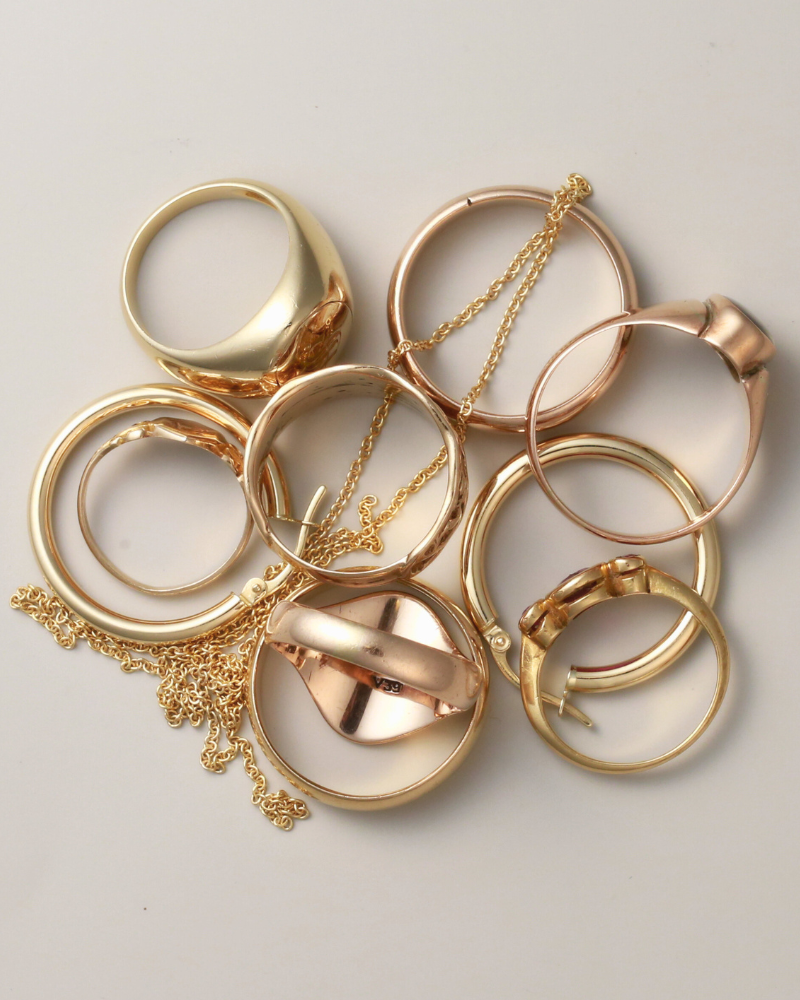
At Black Finch, we work with 9kt and 18kt recycled gold in yellow, rose and white, alongside platinum. Each has its own distinct qualities, and understanding these differences will help you choose a metal that is right for you.
Understanding Gold Purity
What Does Gold Karat (kt) Mean?
Karat, abbreviated as kt, is the unit used to measure gold purity. It describes the proportion of pure gold within an alloy, expressed in 24 parts.
Pure gold is classified as 24kt and contains approximately 99.9% gold. In its pure form, gold is exceptionally malleable meaning it can be shaped without fracturing. However, its relative softness makes it unsuitable for jewellery that requires structural integrity for everyday wear.
To improve its strength and wearability, pure gold is combined with other metals to form an alloy. These additions influence not only colour, but also hardness, strength and ductility.
The three gold purities we work with at Black Finch are:
9kt gold: 37.5% pure gold and 62.5% other alloy metals.
14kt gold: 58.5% pure gold and 41.2% other alloy metals.
18kt gold: 75% pure gold and 25% other alloy metals.
9kt vs 18kt Gold: What's the Difference?

Both 9kt and 18kt gold are suitable for fine jewellery. Neither is universally better. The right choice depends on the design, how frequently it will be worn and the qualities you value most.
|
|
9kt Gold |
18kt Gold |
| Gold Purity | 37.5% | 75% |
| Hallmark | 375 | 750 |
| Alloy Content | 62.5% | 25% |
| Colour | Generally lighter and more subtle | Richer, warmer gold tones |
| Hardness | Harder but more brittle | Softer against scratching. More malleable and resilient. |
| Cost | Lower gold content makes it more accessible | Higher intrinsic gold value |
| Best Suited To | Earrings, necklaces, bracelets, occasion rings and rings with minimal claws. | Engagement rings, wedding bands and future heirlooms |
Yellow, Rose or White Gold?

Karat determines the purity of gold, while the other metals within the alloy influence its colour. At Black Finch, we work with rose, white and yellow gold, each bringing a different character to a design.
Yellow Gold
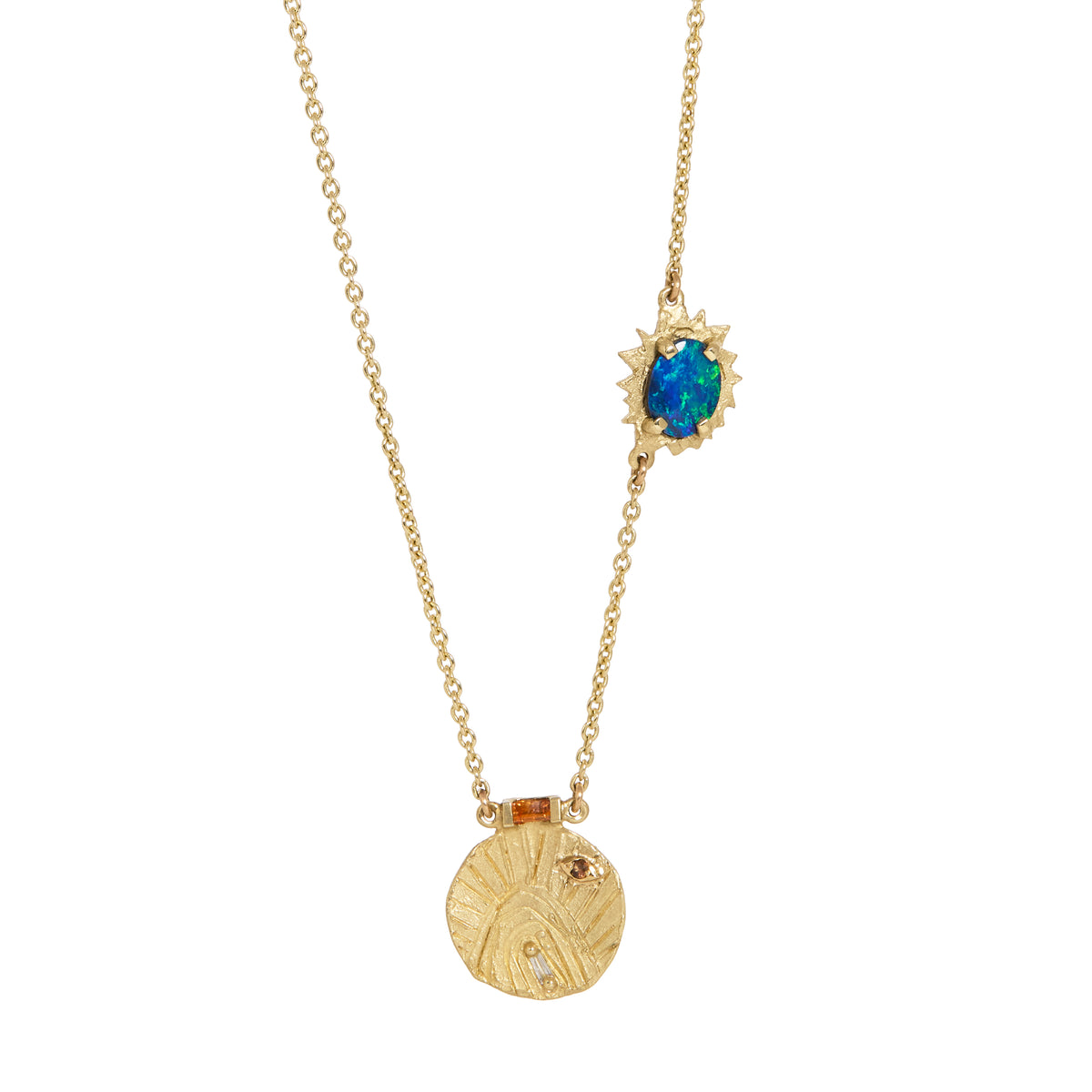
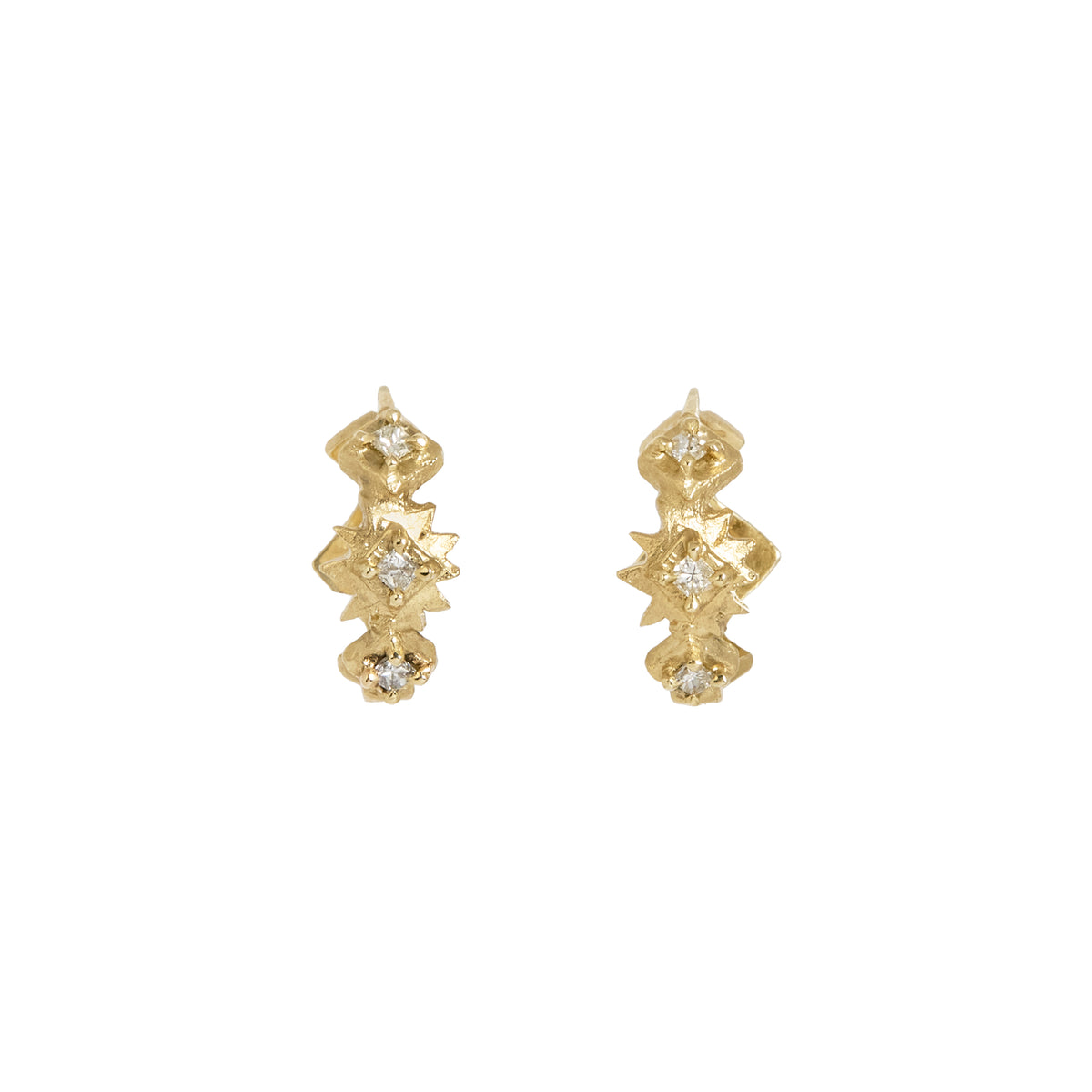
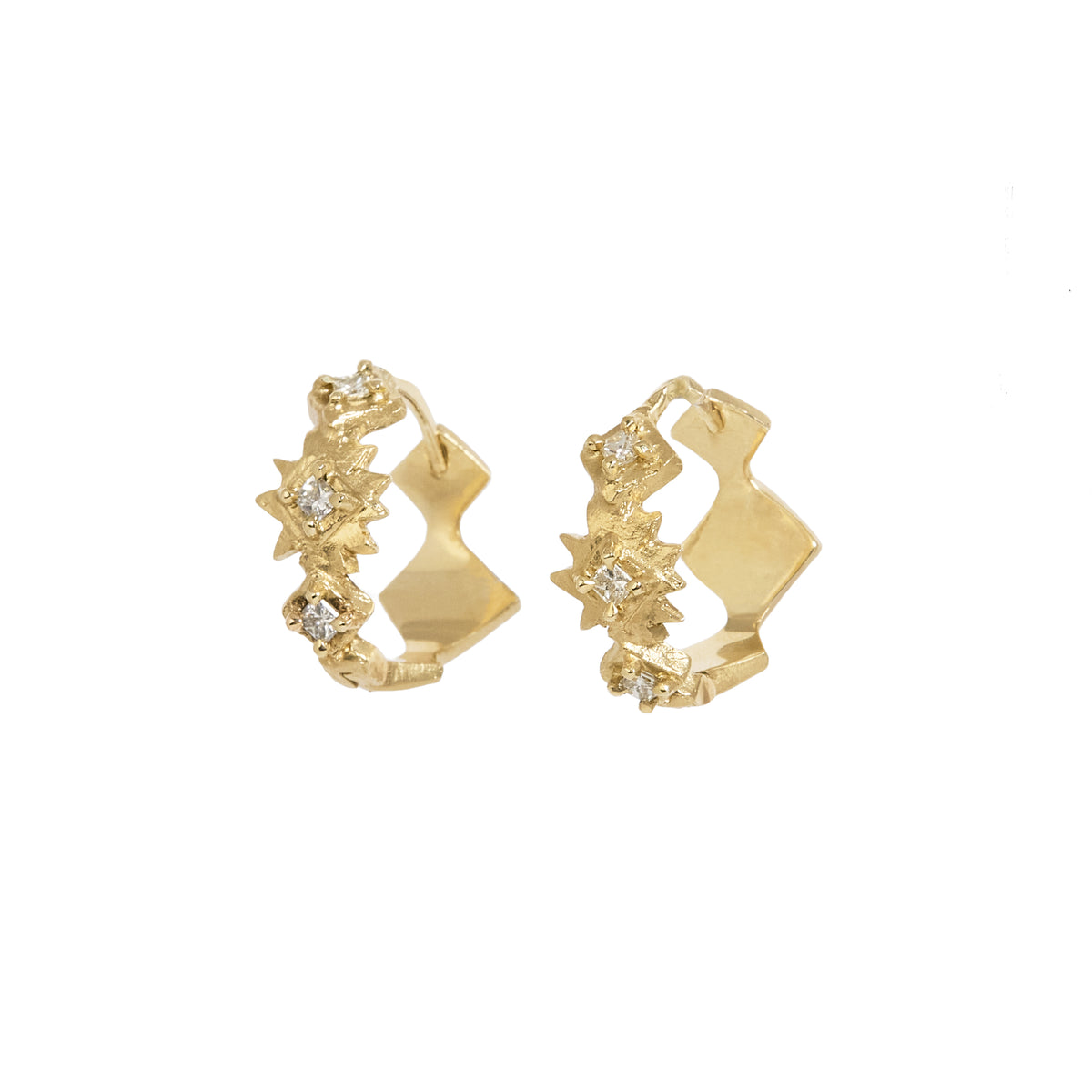
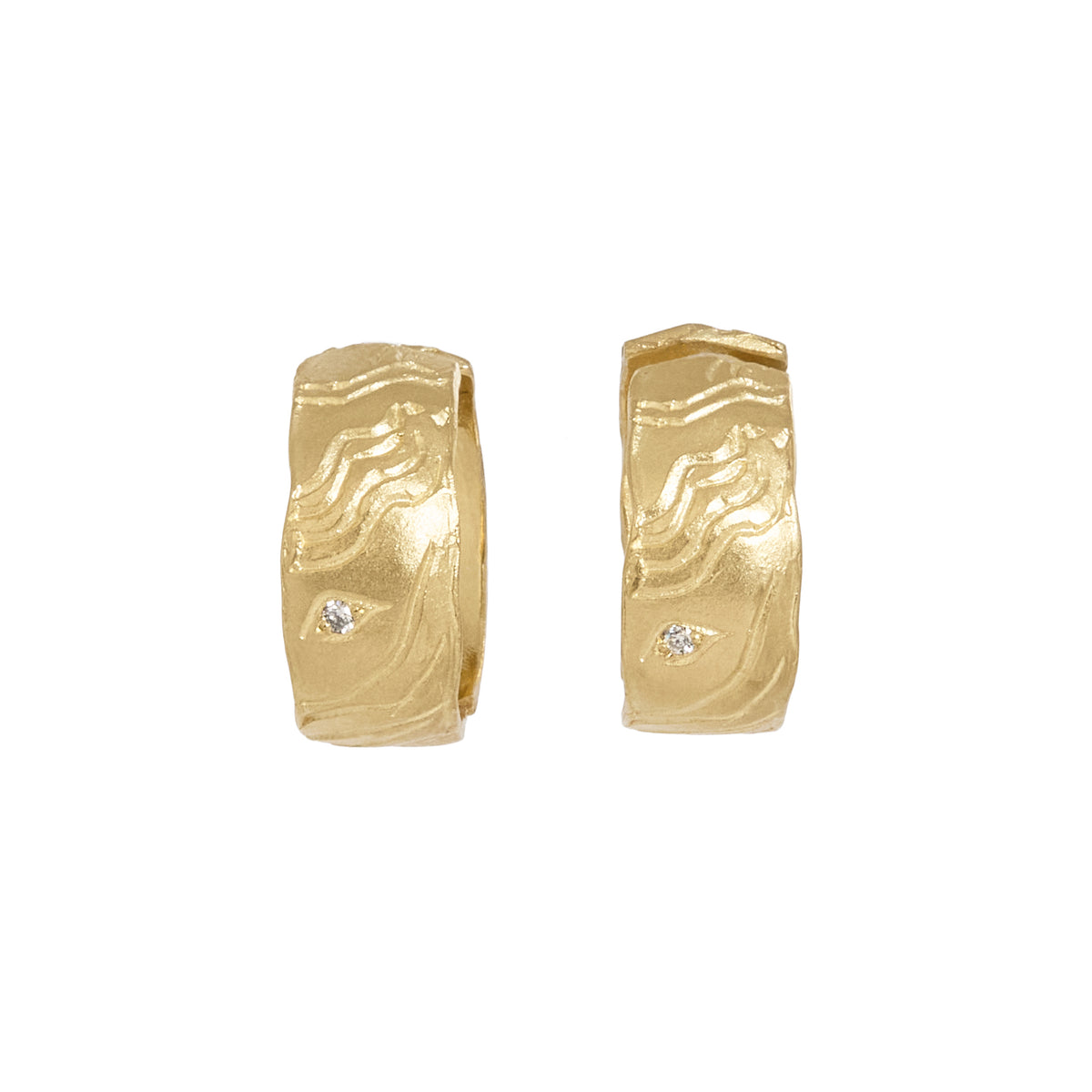
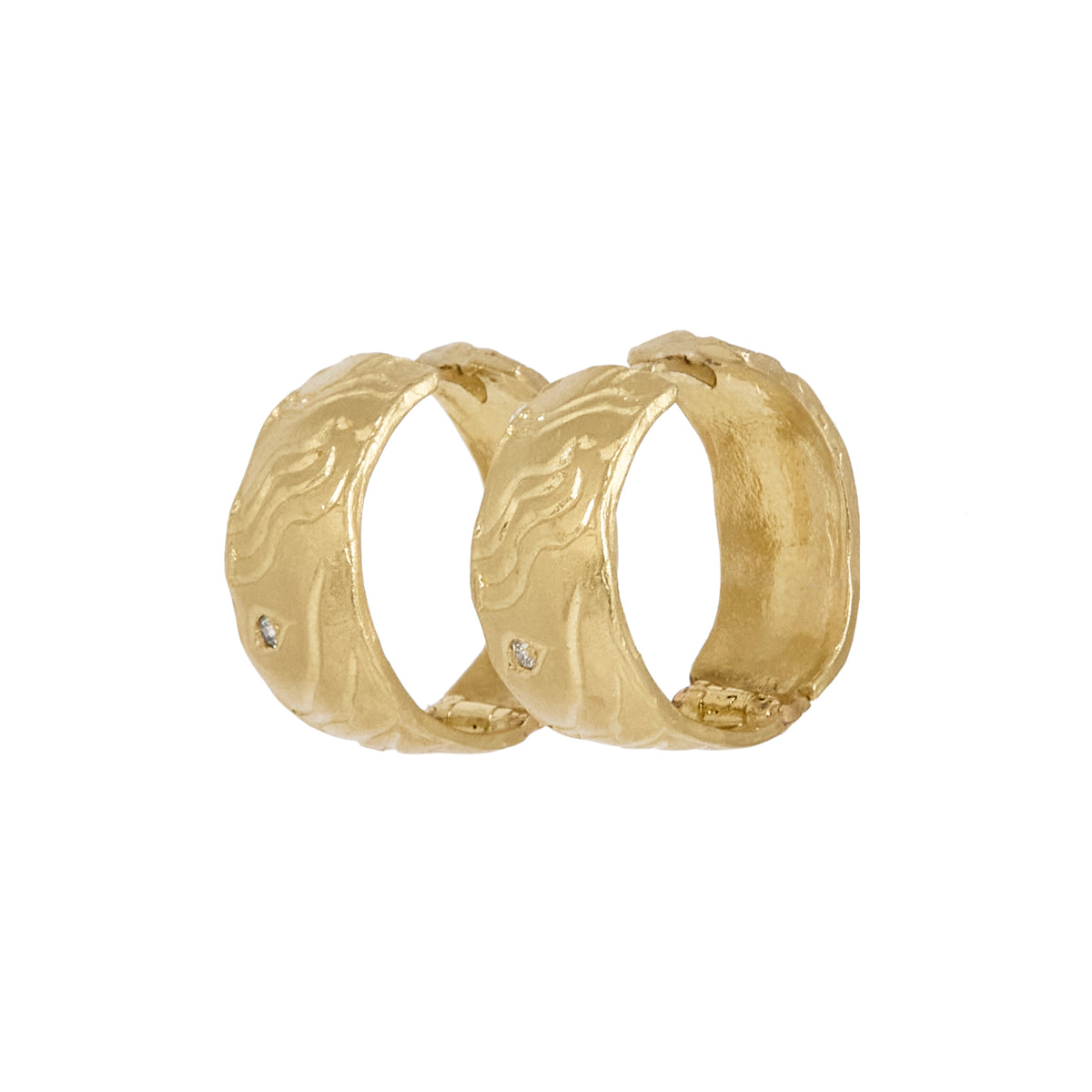
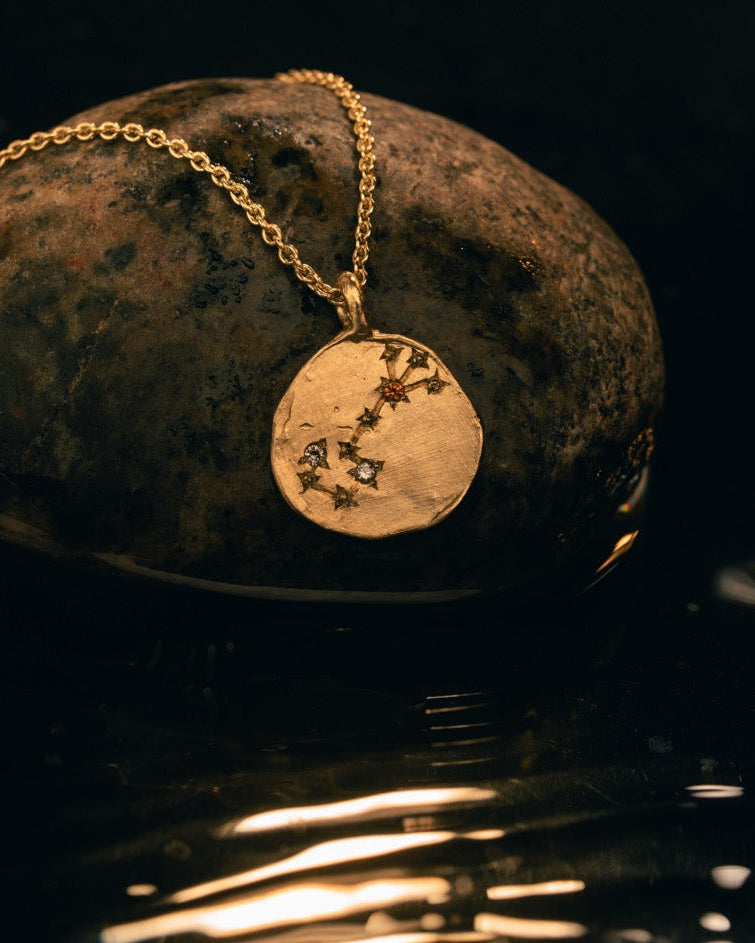
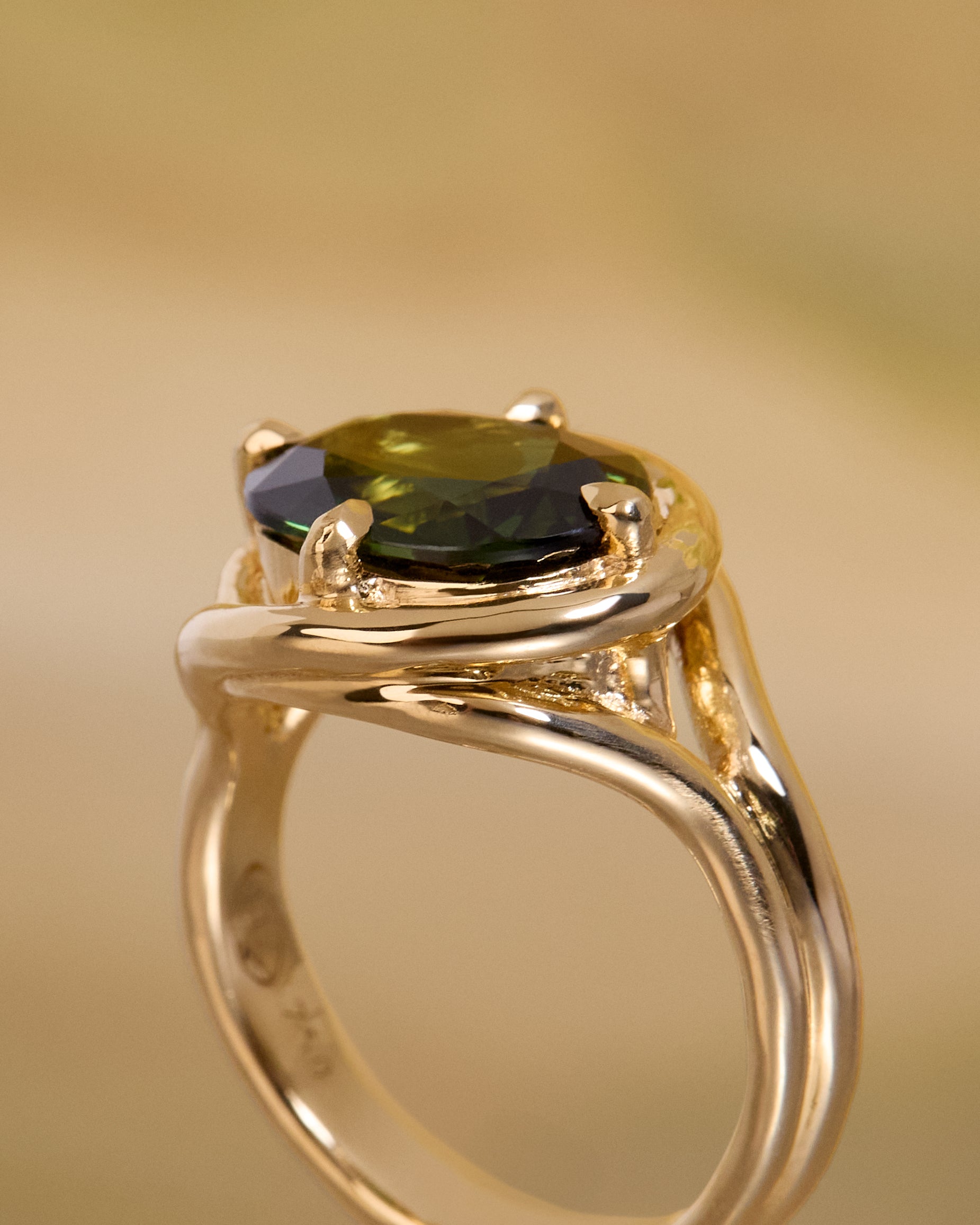
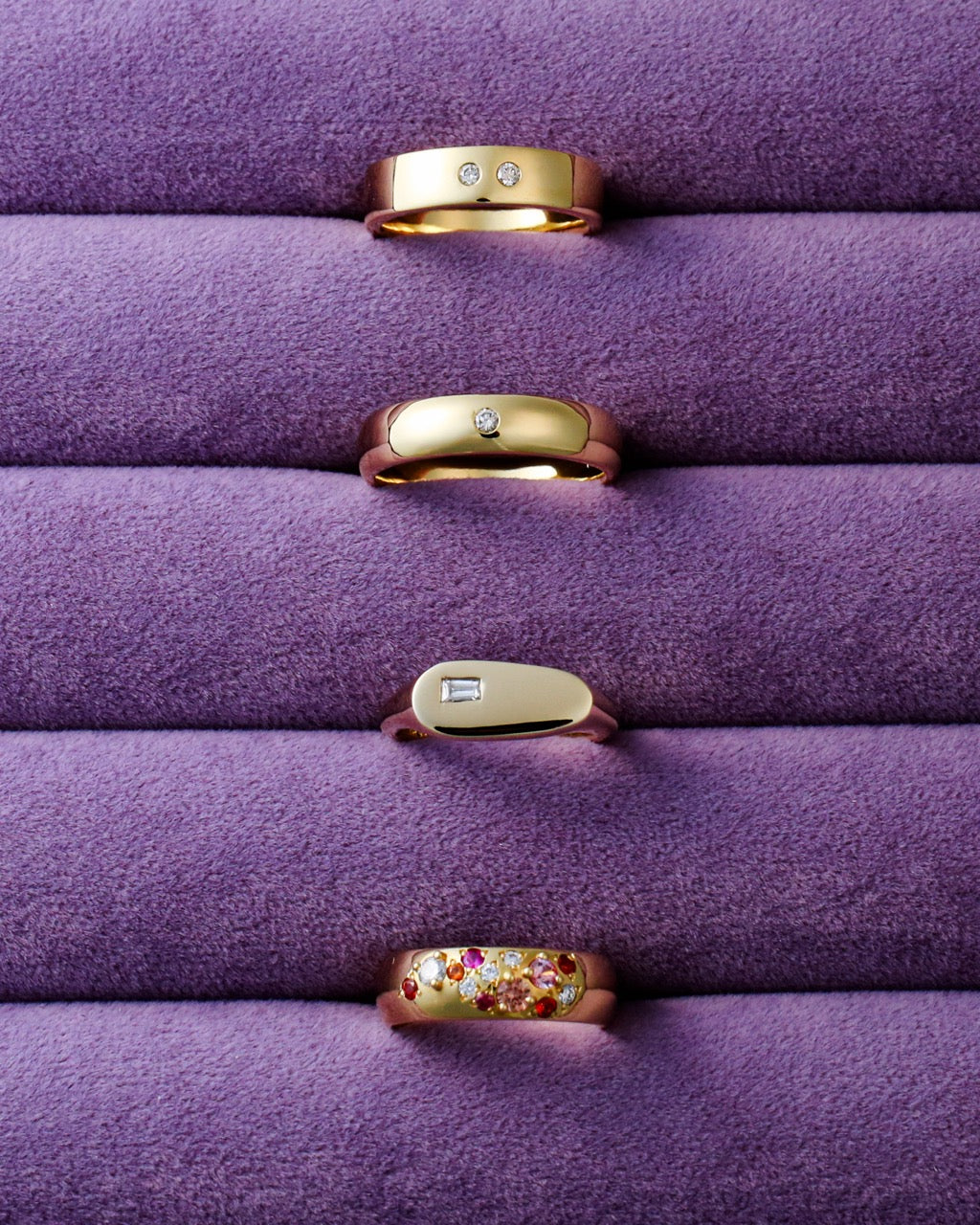
Yellow gold is created by combining pure gold with alloy metals such as silver and copper. The higher gold content of 18kt yellow gold generally produces a richer, deeper golden colour, while 9kt yellow gold has a softer, paler tone.
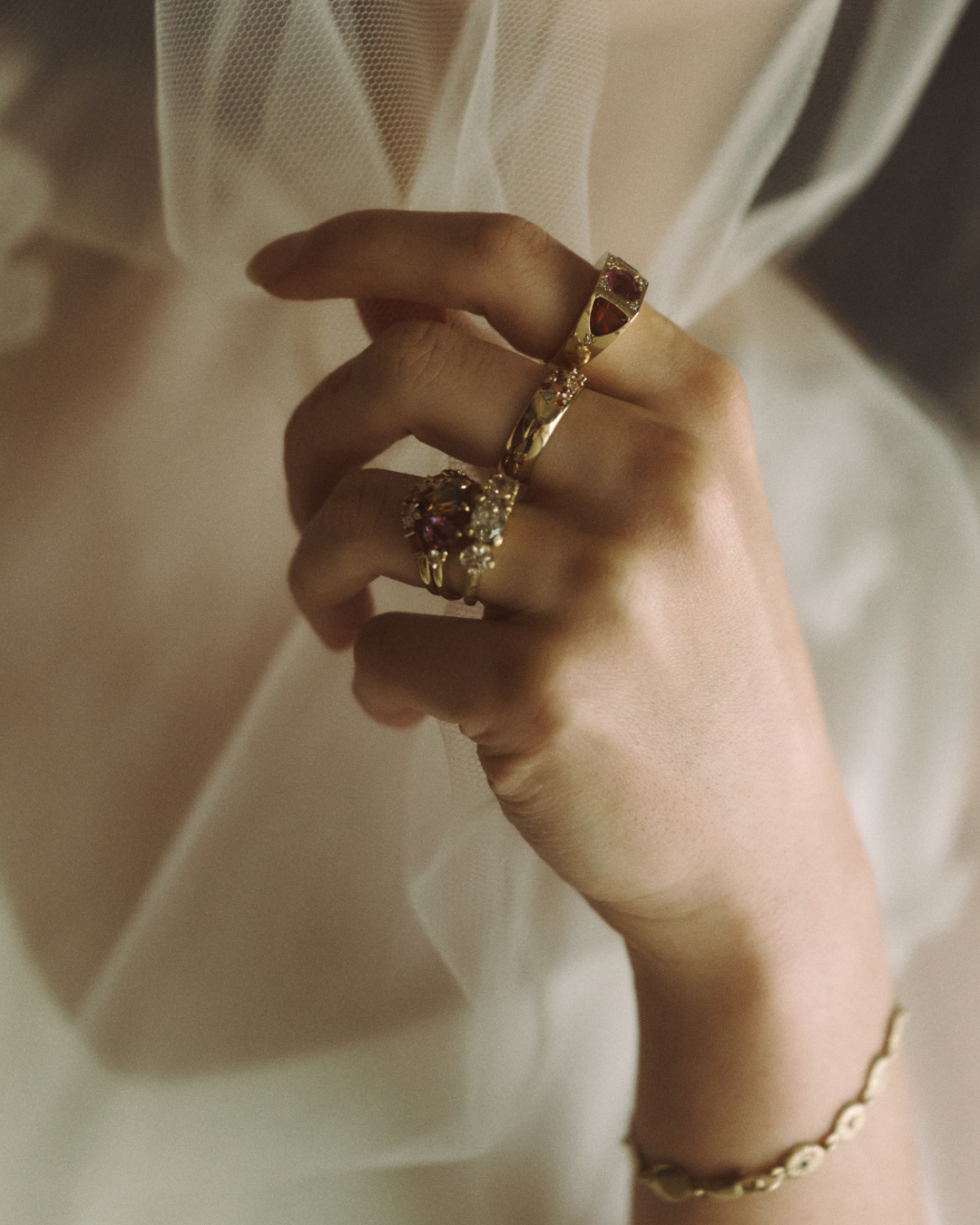
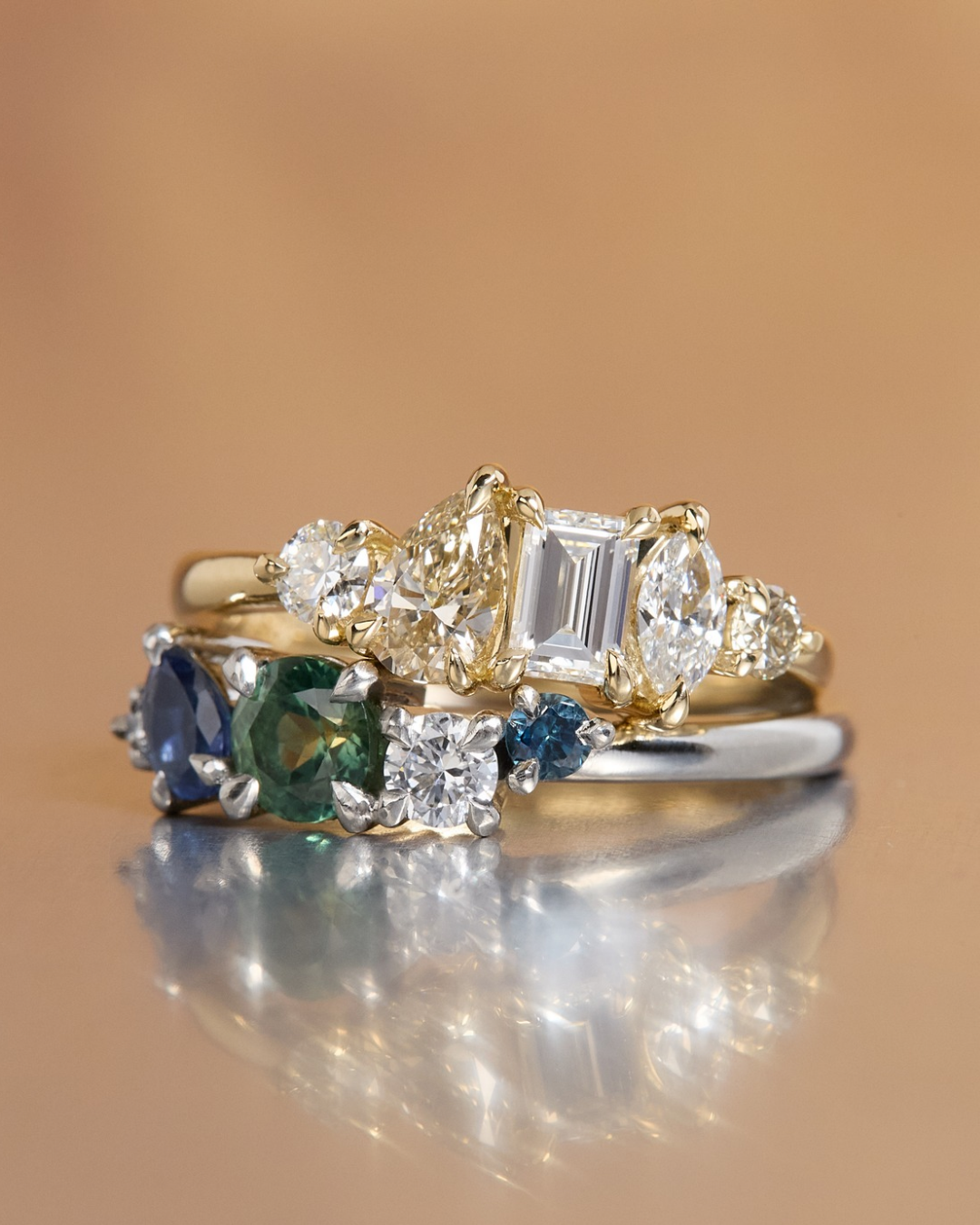
Yellow gold is a timeless choice for engagement rings, wedding bands and everyday treasures. Its warmth pairs beautifully with champagne diamonds and rich, bright gemstone hues.
Rose Gold

Rose gold gets its pinkish tone from copper within the alloy. The balance of gold and copper determines the intensity of its colour, which can range from delicate pink to deeper coppery hues.
9kt rose gold may appear more copper-toned, while 18kt rose gold often has a softer, richer warmth, although exact shades vary between alloys and textures or finishes.
White Gold
White gold is made by combining pure gold with white-coloured alloy metals, such as palladium and silver, to create a paler appearance. Depending on the alloy, it can retain a subtle warmth or greyish undertone.
White gold is a beautiful choice for those who prefer cooler tones, particularly alongside white diamonds and blue, green or pastel sapphires.

White Gold vs Platinum
Both white gold and platinum are perfectly suitable options for jewellery intended to be worn for decades. Platinum is particularly appealing for those who prefer a naturally white metal and a substantial feel. White gold offers a softer natural grey hue alternative, with different price points available depending on whether you choose 9kt, 14kt or 18kt.
|
|
White Gold |
Platinum |
| Composition | Gold alloyed with silver | Typically 95% platinum |
| Natural Colour | Warm-white to grey-white | Cool, bright grey-white |
| Weight | Generally lighter | Denser and heavier |
| Wear Over Time | Develops scratches and surface wear | Also develops surface scratches but tends to displace rather than lose metal, creating a soft satin patina over time. |
| Rhodium Plating | Not used on Black Finch pieces, but is a common practice on white gold and requires re-plating over time. | Not required. |
| Price | Varies by current metal prices | Varies by current metal prices |
Still unsure which metal to choose?
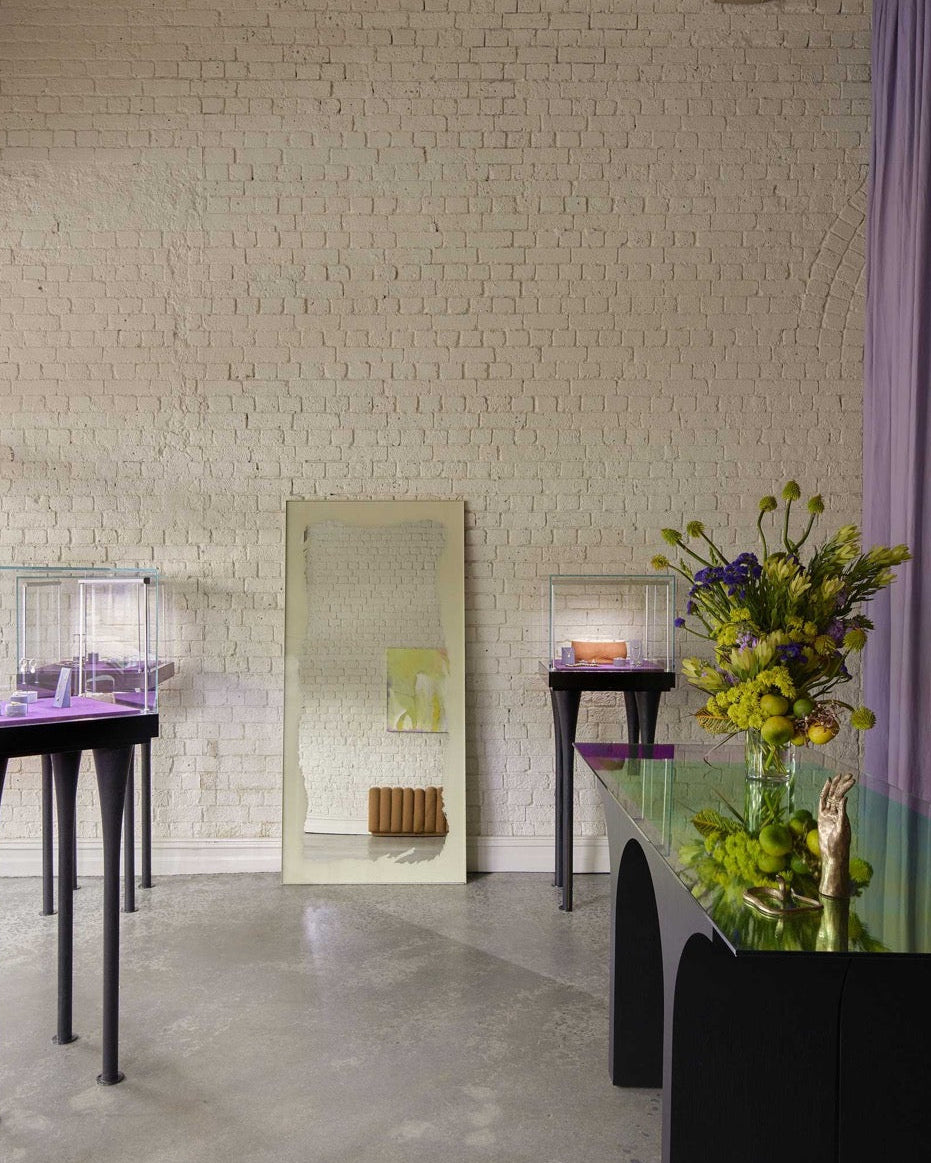
Our team of design consultants would love to guide you. Visit our Collingwood flagship or book a complimentary jewellery consultation to explore precious metals, gemstones and designs in person.
Together, we'll create something beautiful, considered and made to live a long life with you.