How Is a Ring Made?
The Art, Craft, and Alchemy Behind a Black Finch Creation
A ring is both sculpture and symbol, shaped from earth’s hardest elements, softened by human intent. Broadly speaking, there are two main ways to make a ring: metalsmithing and casting.
Metalsmithing is the art of shaping and joining metal by hand, imagine a welder’s work, but with tools the size of the palm and metals as rare as love itself. Sheets, wires, and tubes of gold or platinum are measured, cut, bent around a mandrel, soldered with flame, then hammered and refined until the circle is true. It’s intimate and tactile, metal moved by muscle and intuition.
Casting, by contrast, begins with wax rather than wire. A design is sculpted or digitally modelled, then transformed through heat and molten metal into its final form. It’s ancient alchemy guided by modern precision.
At Black Finch, we honour both these paths, choosing the one that best suits the spirit of each design. Below is how a ring comes to life in our Melbourne jewellery workshop, a journey from idea to heirloom.
Step One: The Dream and the Design
The process begins with inspiration, a conversation, a sketch, a moment captured in colour or movement. Our designers translate this into sketches and 3D renderings, refining proportions, gemstone colours, metal choices, and stone settings until the vision feels alive.
For bespoke pieces, this stage is deeply collaborative, your narrative interweaves with ours as we dream together on paper and screen.

Step Two: The Model, From Wax or Screen to Form
Next, the design takes shape through lost‑wax casting or CAD modelling.
-
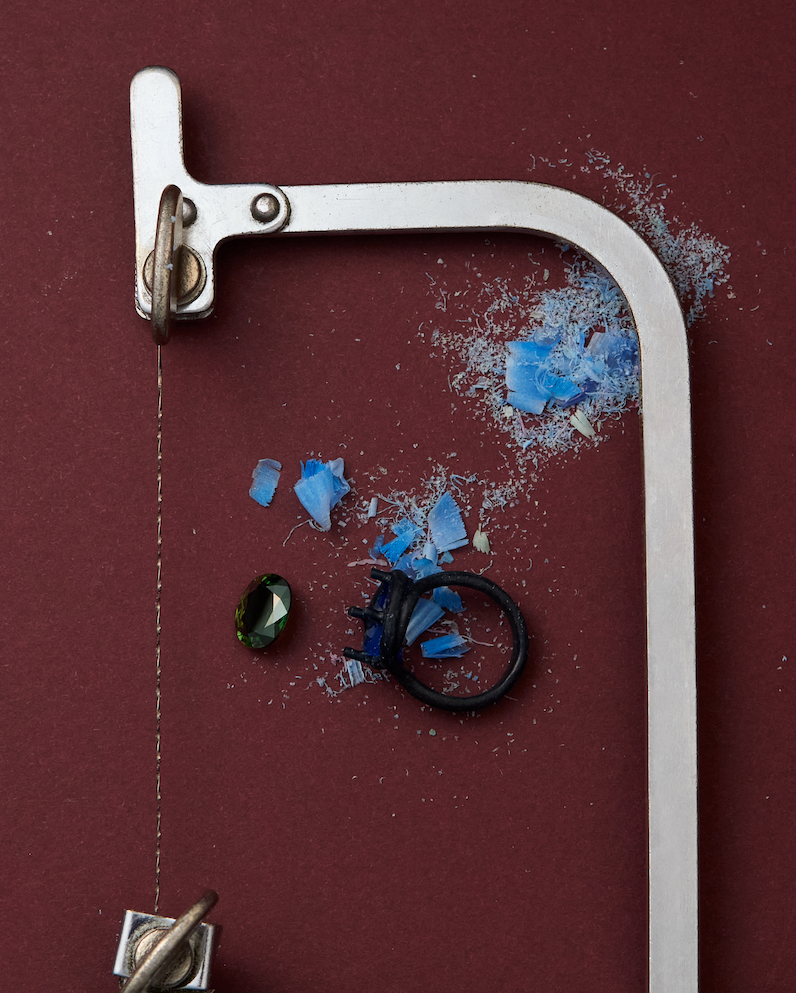
In lost‑wax casting, a jeweller carves or 3D prints the design in wax. This delicate model is encased in plaster, then melted away, leaving a perfect cavity ready for molten metal; gold, platinum, or silver.
-
CAD design offers precision, enabling intricate detailing and symmetry impossible by hand alone. Once printed in wax, it joins the same casting path as its hand‑carved sibling.

Step Three: The Casting, Fire and Transformation
When metal meets flame, alchemy happens. Molten metal is poured into the cavity left by wax, taking its final shape. Once cooled, the rough casting is released from its plaster shell. A raw, new form awaiting refinement.
Step Four: The Handwork, Filing, Shaping, and Setting
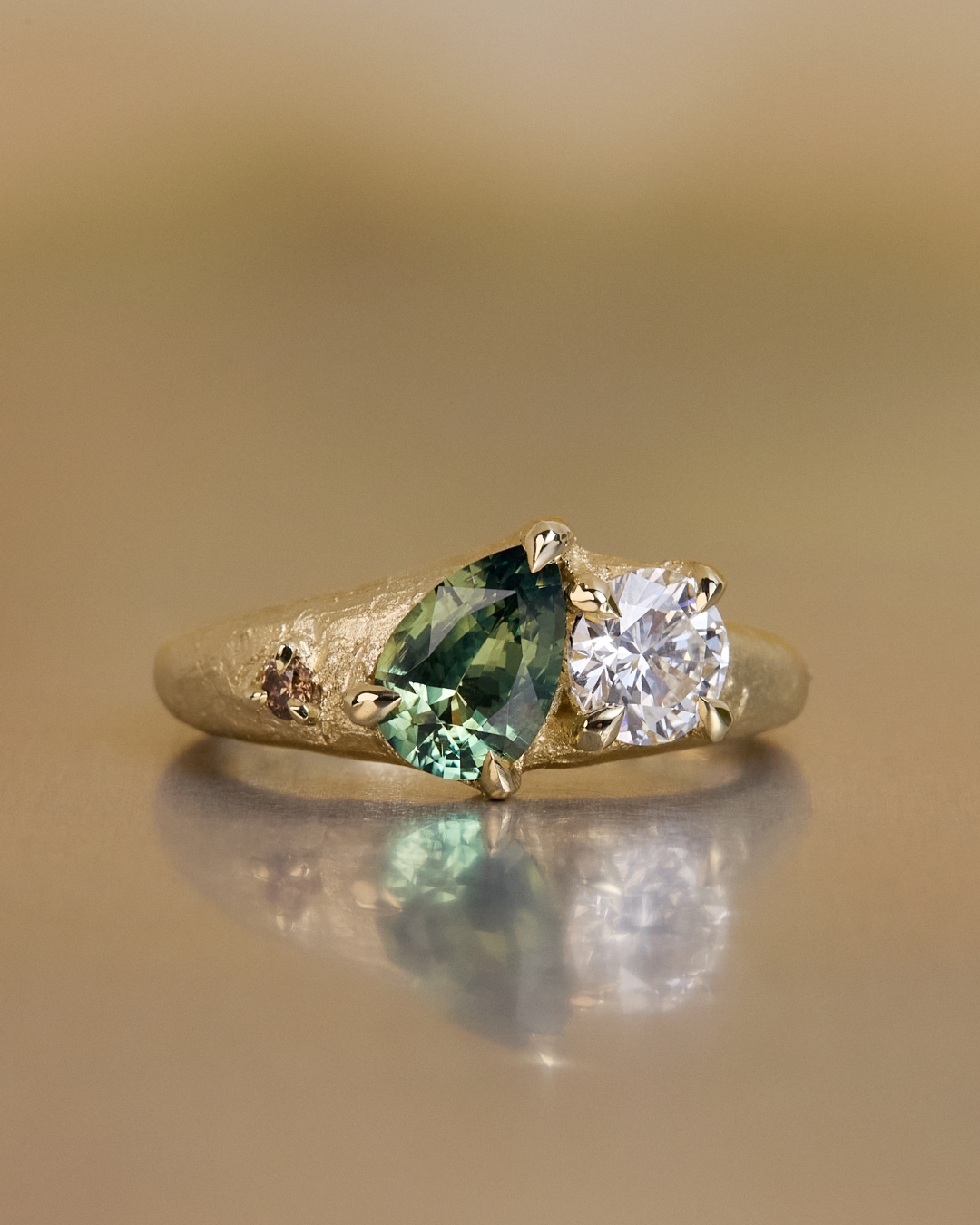
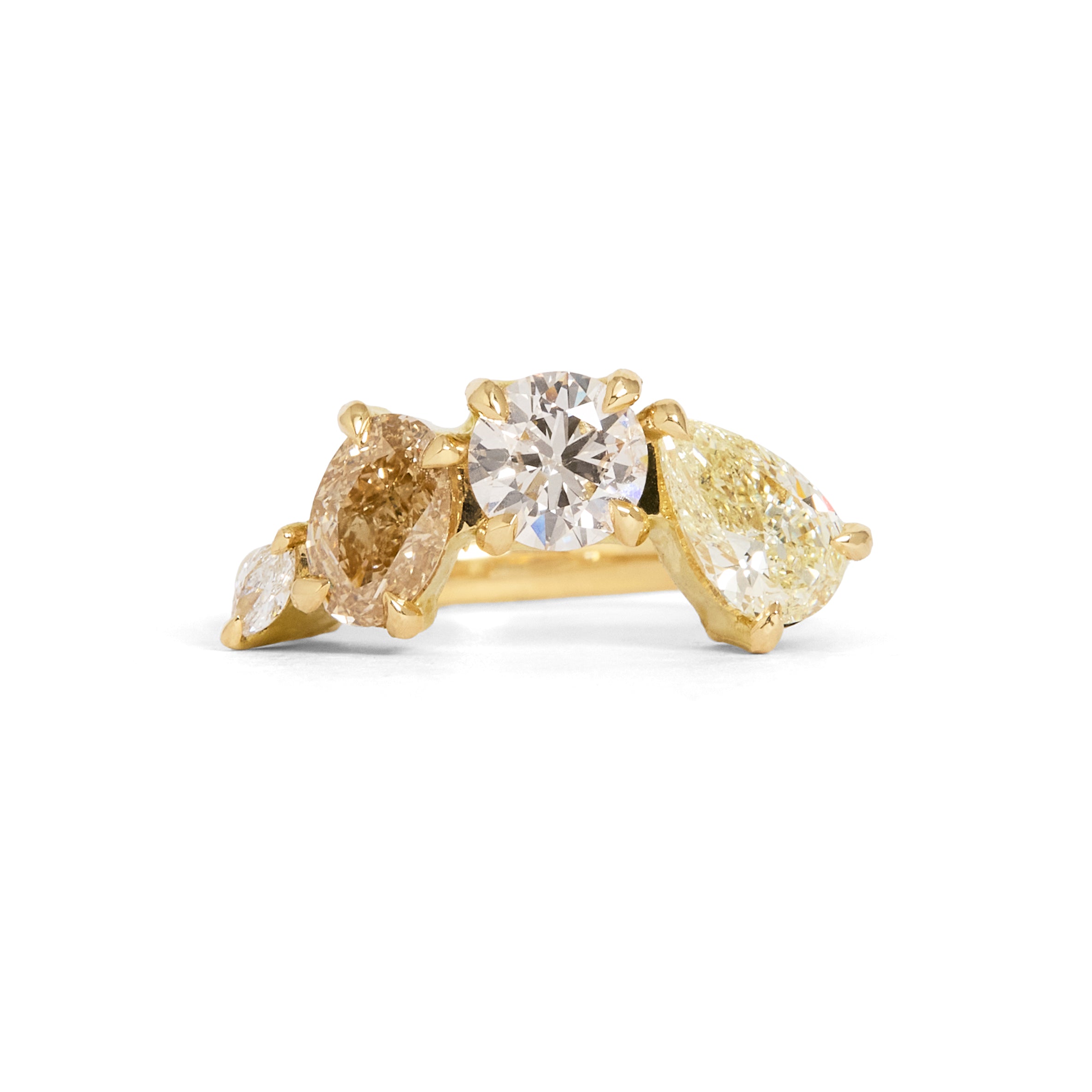
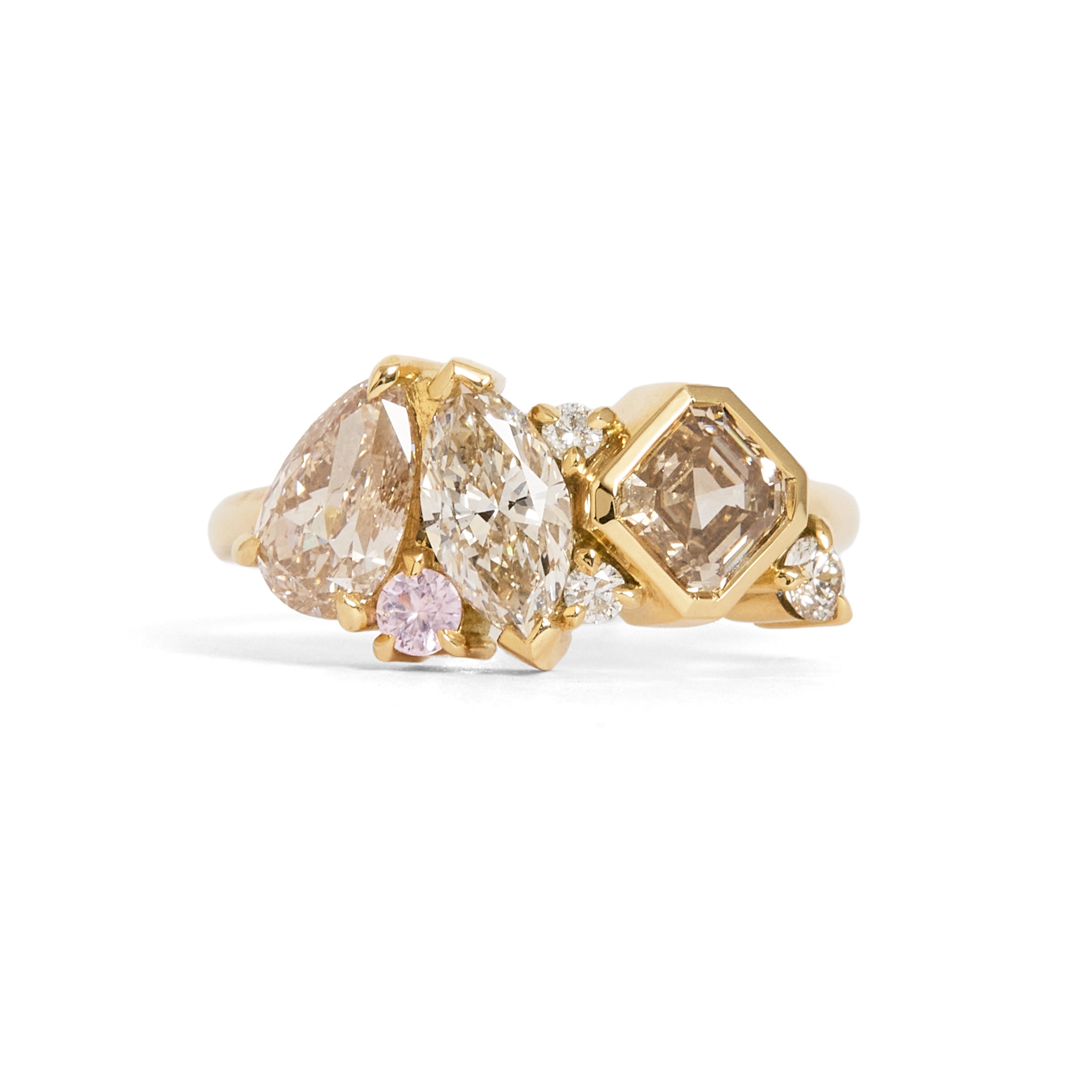
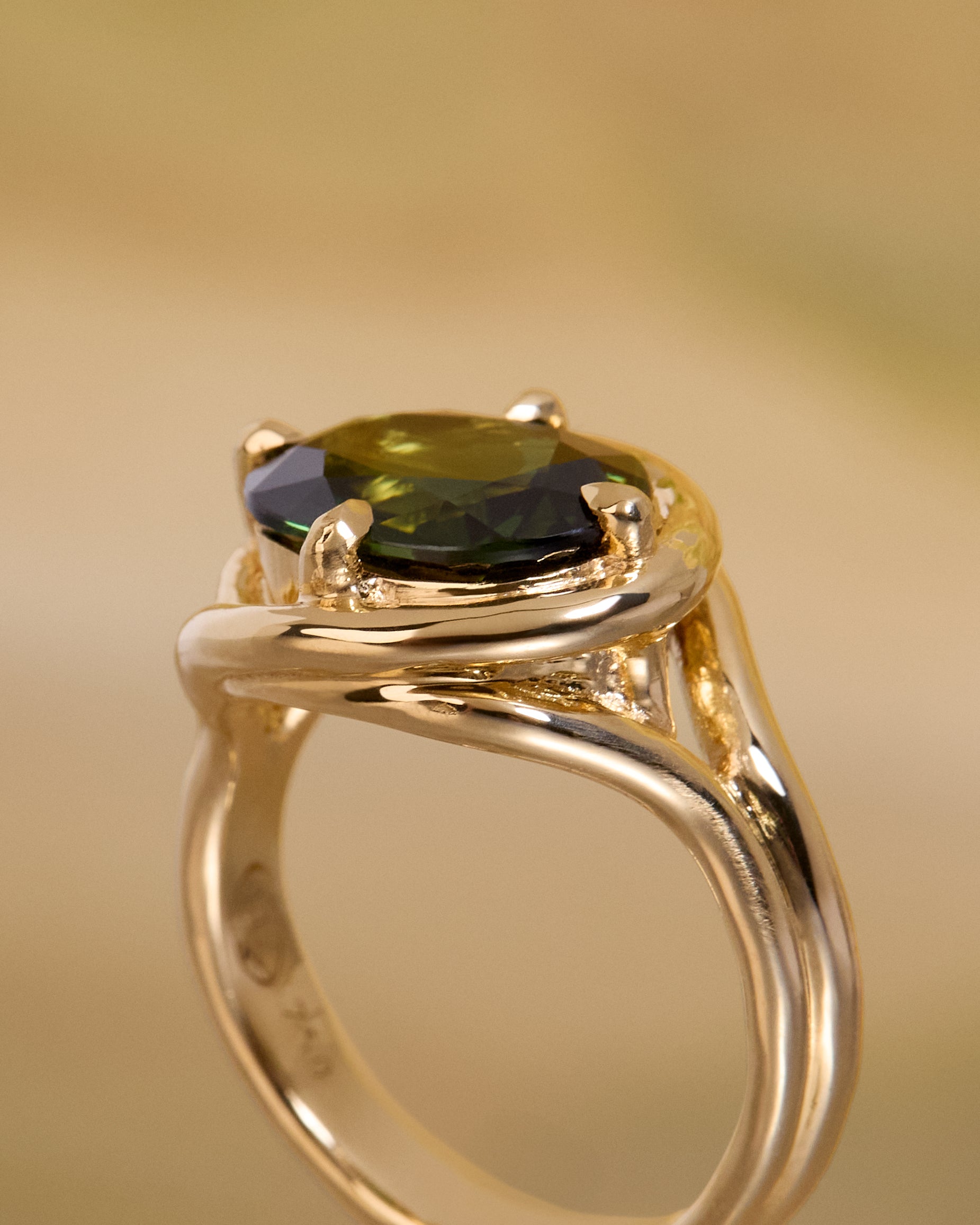
Now, craftsmanship takes centre stage. The jeweller saws, files, and polishes each edge until it sings with symmetry. Stones are set by hand using age‑old setting techniques. From delicate claws that hold diamonds like stars to bezel settings hugging sapphires in smooth halos of gold.
This is where experience meets artistry: every surface touched, every line refined, every decision made by eye and instinct.

Step Five: Polishing and Perfection
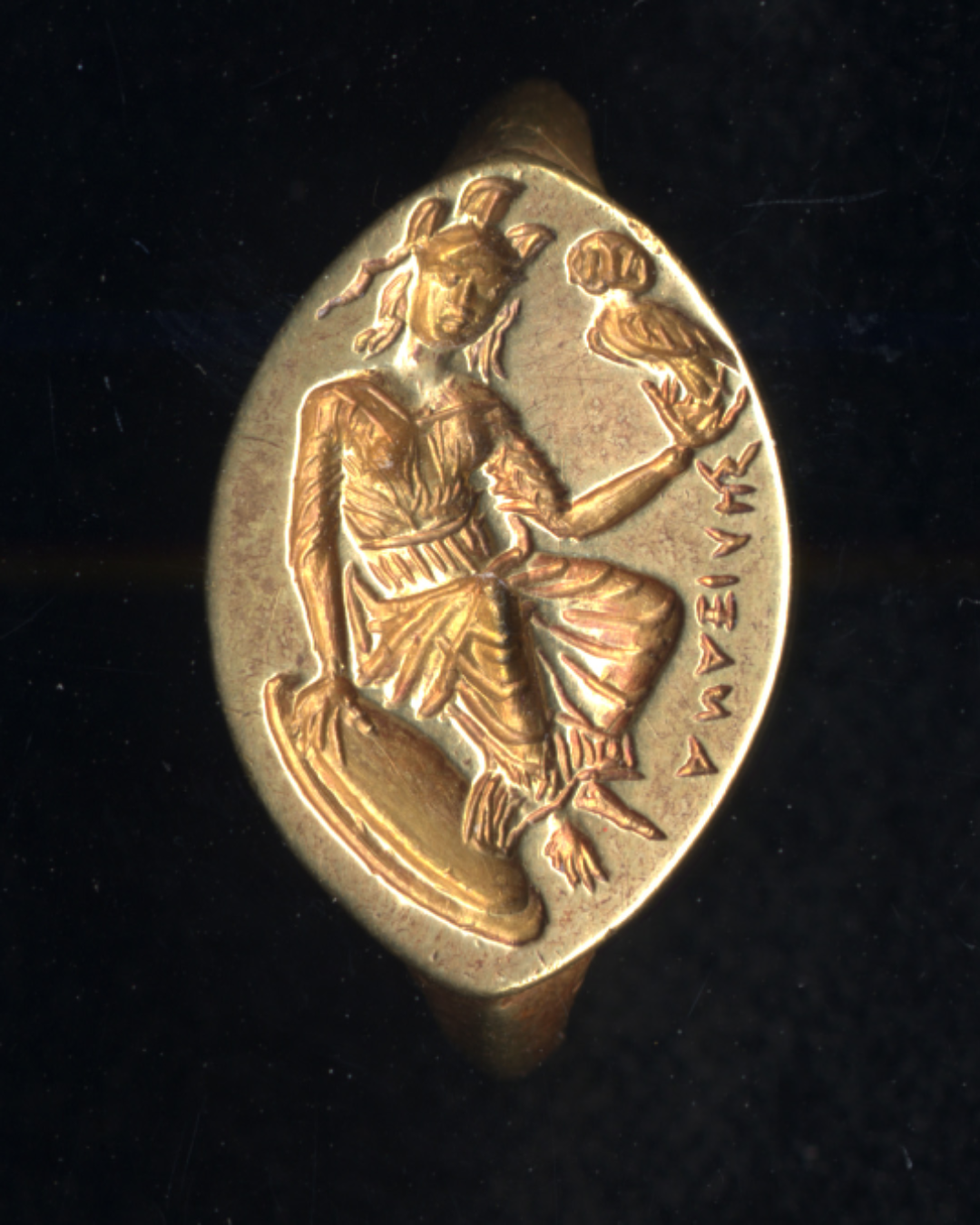
Finally, the ring is polished through several stages, from rough buffs to a mirror‑like radiance. Engravings or final details are added by hand, sealing the story within the metal. What began as an idea now gleams as something eternal.
Techniques Of Then, Now, and Always
-
Still cherished: Hand fabrication and lost‑wax casting. Techniques of intimacy and control.
-
Now common: CAD design and 3D printing. Precise, modern, and endlessly creative.
-
Faded with time: Rough hand‑pouring and purely industrial production. Processes that stray from the soul of craft.
Black Finch’s Craft Philosophy
At Black Finch, we move gracefully between heritage and innovation. Each ring is a dialogue between design and emotion, between the modern precision of technology and the timeless pulse of handcraft.
Because for us, making a ring is more than technique, it's a poetic act of becoming.